Understanding the efficiency of farm food processors in terms of processing time is crucial, especially when you’re on a mission to streamline agricultural operations and maximize output. As a supplier deeply involved in the farm food processing industry, I’ve witnessed firsthand how the right equipment can transform a farm’s productivity. In this blog, we’ll delve into the factors that influence processing time, how to measure efficiency, and why it matters in the grand scheme of farm food production. Farm Food Processor

Factors Influencing Processing Time
Equipment Design and Technology
The design and technology of a farm food processor significantly impact its processing time. Modern processors are equipped with advanced features such as high – speed motors, precision cutting blades, and automated feeding systems. For instance, a cutting – edge grain mill might be designed with a powerful motor that can handle a large volume of grains in a short period. The shape and configuration of the processing chamber also play a role. A well – designed chamber allows for better flow of raw materials, reducing blockages and bottlenecks that could slow down the process.
Newer models often incorporate smart technology, which can adjust processing parameters in real – time based on the characteristics of the input materials. This adaptability ensures that the processor is working at an optimal speed, regardless of variations in the crops, such as moisture content or size.
Raw Material Characteristics
The nature of the raw materials being processed is another determining factor. Different types of farm produce have varying physical properties that affect how quickly they can be processed. For example, soft fruits like strawberries are much easier and faster to puree than hard root vegetables like carrots. The moisture content of the raw materials is also critical. High – moisture crops might require additional drying steps, which can extend the overall processing time.
The size and shape of the raw materials matter as well. Uniformly sized and shaped produce can be processed more efficiently than irregularly shaped items. Pre – sorting of raw materials can help in separating different sizes and qualities, which can then be processed accordingly to optimize the time.
Operator Skill and Training
The operator of the farm food processor plays a vital role in its efficiency. A well – trained operator understands the machine’s capabilities and limitations, knows how to set the correct processing parameters, and can quickly troubleshoot any issues that arise during operation.
For example, an experienced operator can adjust the feed rate of the raw materials to ensure a continuous and smooth processing flow. They can also perform routine maintenance tasks, such as cleaning and blade sharpening, which can prevent breakdowns and keep the machine running at peak performance. On the other hand, an inexperienced operator might make mistakes that lead to slower processing times, such as overloading the machine or using incorrect settings.
Measuring the Efficiency of Processing Time
Throughput Rate
One of the most common ways to measure the efficiency of a farm food processor is by calculating its throughput rate. The throughput rate is defined as the amount of raw material the processor can convert into the finished product within a specific period, usually measured in kilograms or liters per hour.
To calculate the throughput rate, you simply divide the total amount of processed product by the total processing time. For example, if a fruit juice extractor processes 500 liters of juice in 5 hours, the throughput rate is 100 liters per hour. A higher throughput rate indicates a more efficient processor in terms of processing time.
Downtime Analysis
Downtime refers to the periods when the processor is not operational due to various reasons, such as machine breakdowns, maintenance, or cleaning. Analyzing downtime is essential for understanding the overall efficiency of a farm food processor.
By tracking the frequency and duration of downtime, you can identify areas for improvement. For instance, if a particular part of the machine frequently breaks down, it might be necessary to invest in a higher – quality replacement or implement a more proactive maintenance schedule. Minimizing downtime can significantly increase the available processing time and, consequently, the overall efficiency of the system.
Energy Consumption per Unit of Output
Energy consumption is closely related to processing time efficiency. A more efficient processor should be able to produce a given amount of output using less energy. By measuring the energy consumption per unit of output (e.g., kilowatt – hours per kilogram of processed product), you can compare the efficiency of different processors.
A processor that consumes less energy while maintaining a high throughput rate is generally considered more efficient. This not only saves on operational costs but also reduces the environmental impact of the farm food processing operation.
Why Processing Time Efficiency Matters
Cost – Effectiveness
In the farm food processing business, time is money. A more efficient processor can handle a larger volume of raw materials in less time, which reduces labor costs. Since the same amount of work can be done with fewer hours of operation, there is a significant reduction in the overall cost of production.
Moreover, the energy savings associated with efficient processing contribute to cost – effectiveness. As electricity and fuel costs continue to rise, using a more energy – efficient processor can result in substantial long – term savings.
Meeting Market Demand
Farmers and food processors often have to meet strict market deadlines. An efficient farm food processor allows them to process their produce in a timely manner, ensuring that the products are available for sale when the market demand is high.
For example, during the peak harvest season, a large amount of fresh produce needs to be processed quickly to prevent spoilage. A processor with a high processing time efficiency can handle this influx of raw materials, enabling farmers to take advantage of the best market prices.
Product Quality
The processing time can also have an impact on the quality of the final product. A shorter processing time can help to preserve the nutritional value, flavor, and texture of the farm produce. For instance, in the case of fruit juices, a faster extraction process can minimize oxidation, which can lead to a loss of vitamins and flavor.
By using an efficient processor, farmers and food processors can ensure that their products meet the high – quality standards expected by consumers.
Our Role as a Farm Food Processor Supplier
As a supplier of farm food processors, we understand the importance of processing time efficiency. We offer a wide range of processors that are designed with the latest technology to ensure fast and reliable operation. Our machines are built to handle different types of raw materials, from grains and fruits to vegetables and meat.
We provide comprehensive training to our customers, so that their operators can get the most out of our processors. Our technical support team is always on standby to assist with any troubleshooting or maintenance issues, minimizing downtime.
In addition, we continuously invest in research and development to improve the efficiency of our products. We are constantly exploring new technologies and design concepts to reduce processing time, lower energy consumption, and enhance product quality.
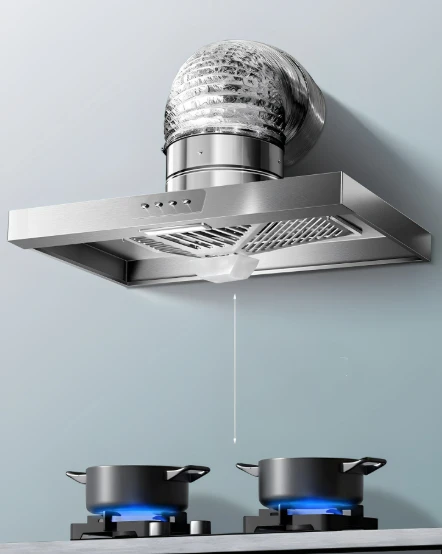
Exhaust Fan If you’re looking to improve the efficiency of your farm food processing operation, we invite you to connect with us. We can help you choose the right processor based on your specific needs and requirements. Our team of experts will work with you to ensure a seamless integration of the equipment into your existing production process. Let’s work together to enhance the productivity and profitability of your farm food processing business.
References
- Smith, J. (2018). Food Processing Technology: Principles and Practice. Woodhead Publishing.
- Brown, A. (2020). Agricultural Machinery and Equipment Handbook. McGraw – Hill.
- White, C. (2019). Efficient Energy Use in Food Processing. Taylor & Francis.
Jiaxing Zenterest Import & Export Co., Ltd.
With abundant experience, we are one of the most professional farm food processor manufacturers and suppliers in China. Please feel free to wholesale high quality farm food processor made in China here from our factory. We also accept customized orders.
Address: Room 101-3, Building 46, Zhifu Center, Gaozhao Subdistrict, Xiuzhou District, Jiaxing City, Zhejiang Province, P.R.China
E-mail: bonnie.wu@zenterestvent.com
WebSite: https://www.zenterestvent.com/
