Hey there! I’m a supplier of regenerative blowers, and I often get asked if these blowers can be used in water treatment plants. Well, the short answer is yes, but let’s dive deeper into the details. Regenerative Blowers
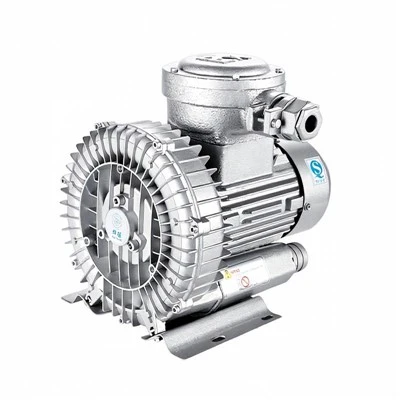
First off, let me give you a quick rundown of what regenerative blowers are. They’re also known as side channel blowers. These blowers work by creating a regenerative air circulation within a housing. The impeller spins, and as it does, it accelerates the air through a series of channels. This process builds up pressure and allows the blower to move air at a relatively high rate.
Now, why would water treatment plants need blowers in the first place? Water treatment plants have several processes where air is crucial. One of the main ones is aeration. Aeration is the process of adding air to water, and it’s a super important step in treating wastewater.
In the aeration tank, microorganisms are used to break down organic matter in the wastewater. These microorganisms need oxygen to survive and do their job efficiently. That’s where regenerative blowers come in. They can supply the necessary air to the aeration tank, ensuring that there’s enough oxygen for the microorganisms to thrive. This helps speed up the decomposition of organic waste, making the water treatment process more effective.
Another use of regenerative blowers in water treatment plants is in flotation units. Flotation is used to separate solids from liquids. In this process, air bubbles are introduced into the water. The solids attach to these bubbles and float to the surface, where they can be easily removed. Regenerative blowers are great for generating these fine air bubbles. They can produce a steady stream of bubbles with the right size and distribution, which is key to the success of the flotation process.
One of the big advantages of using regenerative blowers in water treatment plants is their efficiency. These blowers are designed to be energy – efficient, which means lower operating costs for the water treatment facility. They use less power compared to some other types of blowers while still delivering the required air flow and pressure. This is a huge plus when you consider that water treatment plants often operate 24/7, so any savings on energy can add up quickly.
They’re also relatively low – maintenance. Regenerative blowers have fewer moving parts compared to some other blower types. This means there’s less that can go wrong, and it’s easier and cheaper to keep them in good working condition. You don’t have to worry about complex components wearing out or breaking down all the time.
In addition, these blowers are quiet. In a water treatment plant, there are often other noisy machines running. The last thing you want is a blower that adds to the noise pollution. Regenerative blowers operate quietly, which is not only better for the workers at the plant but also for the surrounding environment.
However, it’s not all sunshine and rainbows. There are some considerations when using regenerative blowers in water treatment plants. One of the main issues is the risk of corrosion. Since water treatment plants deal with water (sometimes with chemicals in it), there’s a chance that the blower components could corrode over time. To combat this, we offer regenerative blowers with corrosion – resistant coatings and materials. We make sure that the parts in contact with the air or water are made of materials that can withstand the harsh conditions in the plant.
Another thing to think about is the sizing. It’s crucial to choose the right size of regenerative blower for the specific needs of the water treatment plant. If the blower is too small, it won’t be able to supply enough air for the aeration or flotation processes. On the other hand, if it’s too big, it will waste energy and cost more money. That’s where our expertise comes in. We have a team of experts who can assess the requirements of your water treatment plant and recommend the most suitable blower size and model.
We’ve had some great success stories with our regenerative blowers in water treatment plants. For example, one plant was struggling with high energy costs and inefficient aeration. After switching to our regenerative blowers, they saw a significant reduction in energy consumption and an improvement in the quality of the treated water. The microorganisms in the aeration tank were getting enough oxygen, and the decomposition of organic matter was much more efficient.
Another plant was having problems with their flotation unit not working properly. The bubbles generated by their old blower were too large and not evenly distributed. After installing our regenerative blowers, the flotation process improved dramatically. The solids were separating from the liquids more effectively, and the overall efficiency of the plant increased.
So, if you’re running a water treatment plant and you’re looking for a reliable, efficient, and cost – effective solution for your air supply needs, regenerative blowers are definitely worth considering. We’ve been in the business for a long time, and we know how to provide the best products and support.

If you’re interested in learning more about how our regenerative blowers can benefit your water treatment plant, or if you want a quote, don’t hesitate to get in touch. We’re always happy to have a chat and see how we can help you out.
Fixed Axial Fans References:
- "Water Treatment Plant Operations Handbook"
- Industry reports on blower technology in water treatment
Taizhou Yijia Electromechanical Co., Ltd.
As one of the most professional regenerative blowers manufacturers and suppliers in China, we also support customized service. Please rest assured to buy high quality regenerative blowers in stock here from our factory. If you have any enquiry about cooperation, please feel free to email us.
Address: No. 47, Jinxing First District, Jintang Village, Jinqing Town, Luqiao District, Taizhou City, Zhejiang Province
E-mail: 826339968@qq.com
WebSite: https://www.yijiablower.com/
