Hey there! I’m a supplier of hex bolts, and I often get asked about the building codes regarding the use of these little but crucial fasteners. So, I thought it’d be a good idea to break it all down for you in this blog post. Hex Bolt
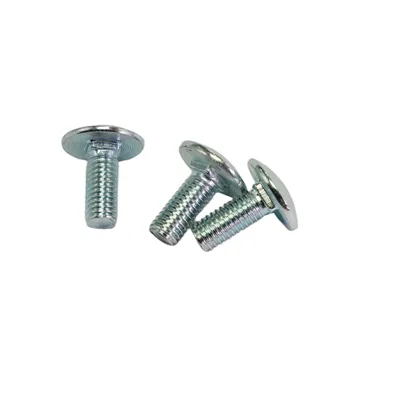
Let’s start with the basics. What are hex bolts anyway? Well, they’re those bolts with a hexagonal head. You’ve probably seen them around in construction sites, machinery, or even in some DIY projects at home. Their hexagonal shape allows for easy gripping with a wrench, making installation and removal a breeze.
Now, why are building codes so important when it comes to using hex bolts? Building codes are like the rule – book for construction. They’re put in place to ensure the safety, durability, and functionality of buildings and structures. Using hex bolts that don’t meet the building codes can lead to all sorts of problems, from structural failures to legal issues. So, it’s super important to get it right.
Material Requirements
One of the key aspects of building codes related to hex bolts is the material they’re made of. Different applications call for different materials. For instance, in structures that are exposed to a lot of moisture or chemicals, you’ll want to use rust – resistant materials. Stainless steel hex bolts are a great choice here. They’re resistant to corrosion, which means they’ll last longer and keep the structure stable.
On the other hand, if you’re working on a project where high strength is the priority, alloy steel hex bolts might be the way to go. They can handle heavy loads and are perfect for things like bridges or large industrial buildings. Building codes often specify the minimum grade or type of material for different applications. For example, in some seismic – prone areas, there are strict requirements for the strength of the bolts used in building foundations to withstand earthquakes.
Size and Thread Specifications
Another thing building codes are very particular about is the size and thread specifications of hex bolts. The diameter, length, and thread pitch all matter. Using the wrong size bolt can compromise the integrity of the joint. For example, if a bolt is too short, it might not provide enough clamping force to hold the materials together properly.
Thread specifications are also crucial. Coarse – threaded and fine – threaded bolts have different uses. Coarse – threaded bolts are generally better for softer materials, as they can grip more easily. Fine – threaded bolts, on the other hand, are great for applications where a more precise fit is needed. Building codes will tell you what size and thread type are appropriate for different construction scenarios, like whether you’re joining wood, metal, or concrete.
Installation Requirements
It’s not just about the bolts themselves; how you install them also matters according to building codes. Proper installation ensures that the bolts can do their job effectively. For example, there are often requirements for the torque (tightening force) applied to the bolts. If a bolt is under – tightened, it might come loose over time, leading to a weak joint. Over – tightening, on the other hand, can damage the bolt or the materials it’s holding together.
In some cases, building codes might also require the use of washers or locknuts. Washers can distribute the load evenly, reducing the stress on the materials and the bolt. Locknuts, as the name suggests, help prevent the bolt from loosening due to vibration or other forces.
Inspection and Certification
Building codes also cover inspection and certification processes. Before a building or structure can be approved, the hex bolts used in its construction need to be inspected to make sure they meet all the requirements. This might involve checking the material, size, installation, and overall quality of the bolts.
Certification is also important. Reputable hex bolt suppliers, like me, can provide certification that our bolts meet the relevant building codes. This gives contractors and builders peace of mind, knowing that they’re using high – quality, code – compliant products.
Regional Differences
It’s important to note that building codes can vary from region to region. What’s okay in one area might not be acceptable in another. For example, coastal areas might have stricter requirements for corrosion – resistant materials due to the high salt content in the air. Mountainous regions might have specific rules for bolts used in structures that need to withstand heavy snow loads.
So, if you’re working on a construction project, it’s essential to check the local building codes. As a hex bolt supplier, I’m always keeping an eye on these regional differences so that I can provide the right products for my customers’ needs.
Impact on the Construction Industry
The building codes regarding hex bolts have a huge impact on the construction industry. They help maintain a certain standard of quality and safety. For contractors and builders, following these codes is not only a legal obligation but also a way to ensure the success of their projects.
For suppliers like me, it means we need to be well – informed about all these codes and regulations. We have to make sure that the hex bolts we supply meet the highest standards. This involves working closely with manufacturers, conducting quality control checks, and providing the necessary documentation.
Conclusion

In conclusion, building codes regarding the use of hex bolts are a crucial part of the construction process. They cover everything from the material and size of the bolts to their installation and inspection. As a hex bolt supplier, I’m committed to providing products that meet all the relevant building codes.
Heavy Hex Nuts Whether you’re a contractor working on a large – scale construction project or a DIY enthusiast building something at home, it’s important to use the right hex bolts and follow the building codes. If you have any questions about hex bolts or need help choosing the right ones for your project, don’t hesitate to reach out. I’d be more than happy to assist you with your hex bolt needs. Let’s work together to ensure your construction projects are safe, durable, and up to code!
References
- Building Code Requirements for Structural Concrete (ACI 318)
- International Building Code (IBC)
- National Fire Protection Association (NFPA) Codes
Jiaxing Jinling Hardware Technolgy Joint Stock Co., Ltd.
As one of the most experienced hex bolt manufacturers and suppliers in China, we also support customized service. Please feel free to buy bulk high-grade hex bolt made in China here from our factory. For quotation and price list, contact us now.
Address: No.32, Shenjiadai, Xuyouche Village, Qinshan Subdistrict, Haiyan County, Zhejiang Province, China
E-mail: jlzxl@jinlingfstn.com
WebSite: https://www.china-nut-factory.com/
