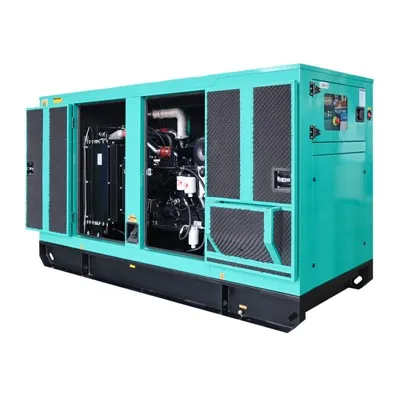
The idea of using a household diesel generator in a greenhouse is an interesting one that combines the need for reliable power with the unique requirements of a controlled agricultural environment. As a supplier of household diesel generators, I’ve received numerous inquiries from greenhouse owners and enthusiasts about the feasibility and practicality of this setup. In this blog, I’ll delve into the technical aspects, benefits, challenges, and considerations of using a household diesel generator in a greenhouse. Household Diesel Generator
Technical Feasibility
Household diesel generators are designed to provide electrical power in various settings, typically for residential use during power outages or in off – grid locations. They work by burning diesel fuel in an internal combustion engine, which then drives an alternator to produce electricity.
In a greenhouse, the electrical requirements can vary widely depending on the size of the greenhouse, the types of equipment used, and the climate control needs. Common electrical loads in a greenhouse include lighting systems, ventilation fans, irrigation pumps, and heating or cooling units.
Most household diesel generators have power outputs ranging from a few kilowatts to tens of kilowatts. For a small to medium – sized greenhouse, a generator with a power output of 3 – 10 kW may be sufficient to run essential equipment. However, larger greenhouses with extensive lighting, advanced climate control, and automated irrigation systems may require more powerful generators, perhaps in the 15 – 30 kW range.
Benefits of Using a Household Diesel Generator in a Greenhouse
1. Reliable Power Supply
One of the primary advantages of using a diesel generator is its reliability. Unlike grid – connected power, which can be subject to outages due to storms, maintenance, or other issues, a diesel generator can provide continuous power as long as there is an adequate supply of diesel fuel. This is crucial for a greenhouse, where a sudden loss of power can disrupt the delicate balance of temperature, humidity, and lighting, potentially harming the plants.
2. Independence
Using a diesel generator gives greenhouse owners independence from the electrical grid. This is especially beneficial for greenhouses located in remote areas where grid connection may be difficult or expensive. It also allows for greater control over power usage and costs, as the owner can manage the fuel supply and the operation of the generator according to their specific needs.
3. Cost – Effectiveness in the Long Run
Although the initial investment in a diesel generator can be relatively high, it can be cost – effective in the long run. Diesel fuel is generally less expensive than some other fuels used for power generation, and the maintenance costs of diesel generators are often lower compared to other types of generators. Additionally, if the greenhouse experiences frequent power outages, the cost of lost crops or damaged equipment due to power disruptions can far exceed the cost of a generator.
Challenges and Considerations
1. Noise Pollution
Diesel generators can be quite noisy, especially when they are running at full capacity. In a greenhouse setting, this noise can be a concern, both for the comfort of the greenhouse workers and for the potential impact on the local environment. To mitigate this issue, sound – proof enclosures can be installed around the generator. These enclosures can significantly reduce the noise level, making the generator more suitable for use in a greenhouse.
2. Exhaust Emissions
Diesel generators produce exhaust emissions, including carbon monoxide, nitrogen oxides, and particulate matter. These emissions can be harmful to both human health and the plants in the greenhouse. To address this problem, modern diesel generators are equipped with emission control systems, such as catalytic converters and particulate filters. It is also important to ensure proper ventilation in the greenhouse to prevent the accumulation of harmful gases.
3. Fuel Storage and Handling
Storing and handling diesel fuel requires careful attention to safety. Diesel is a flammable liquid, and improper storage can lead to fire hazards. Greenhouse owners need to have a proper fuel storage tank that is designed to prevent leaks and spills. They also need to follow local regulations regarding fuel storage and handling.
4. Maintenance and Servicing
Like any other mechanical equipment, diesel generators require regular maintenance and servicing to ensure optimal performance and longevity. This includes tasks such as oil changes, filter replacements, and engine tune – ups. Greenhouse owners need to have a maintenance schedule in place and either perform the maintenance themselves or hire a professional technician.
Sizing the Generator for the Greenhouse
Proper sizing of the generator is crucial for efficient and effective operation in a greenhouse. The first step is to calculate the total electrical load of all the equipment in the greenhouse. This can be done by adding up the power ratings (in watts or kilowatts) of all the electrical devices, including lighting, fans, pumps, and climate control systems.
It is also important to consider the startup power requirements of some equipment, such as motors. Motors often require a higher amount of power to start up than they do to run continuously. Therefore, the generator should be sized to handle the peak power demand of the greenhouse equipment.
As a general rule of thumb, it is advisable to choose a generator with a power output that is 20 – 30% higher than the calculated total electrical load. This provides a safety margin to account for any future expansion of the greenhouse or the addition of new equipment.
Integration with the Greenhouse System
Once the appropriate generator has been selected, it needs to be integrated into the greenhouse electrical system. This typically involves installing a transfer switch, which allows for seamless switching between grid power and generator power. The transfer switch ensures that the generator is only connected to the greenhouse electrical system when needed and that it does not back – feed into the grid, which can be dangerous for utility workers.
In addition, the generator should be connected to a proper grounding system to prevent electrical shocks and ensure the safety of the greenhouse occupants and equipment.
Conclusion
In conclusion, a household diesel generator can be a viable option for powering a greenhouse. It offers reliable power, independence from the grid, and cost – effectiveness in the long run. However, it also comes with challenges such as noise pollution, exhaust emissions, fuel storage, and maintenance requirements.
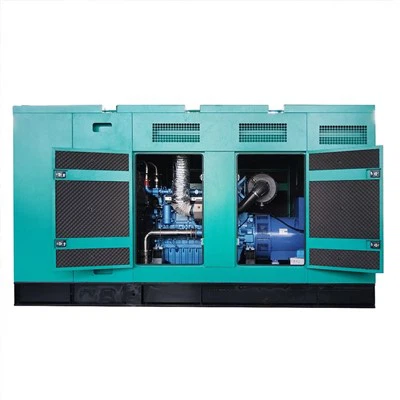
If you are a greenhouse owner considering the use of a household diesel generator, I encourage you to carefully evaluate your power needs, the size of your greenhouse, and your budget. Our company offers a wide range of high – quality household diesel generators that are suitable for various greenhouse applications. We can provide you with expert advice on generator sizing, installation, and maintenance.
Industrial Diesel Generator Set If you are interested in learning more about our products or discussing your specific greenhouse power requirements, please feel free to contact us for a detailed consultation and to start the procurement process. We look forward to helping you find the perfect power solution for your greenhouse.
References
- "Diesel Generator Handbook" by Peter D. Tipler
- "Greenhouse Technology and Management" by Norman P. Armitage
- Industry reports on power generation and greenhouse technology from relevant agricultural and energy research institutions.
Jiangsu Kaichen Electric Power Equipment Co., Ltd.
We are one of the most professional household diesel generator manufacturers and suppliers in China, specialized in providing high quality diesel generators with reasonable price. We warmly welcome you to buy cheap household diesel generator from our factory. Contact us for pricelist and quotation.
Address: Dinghuo Industrial Park, Jiangdu District, Yangzhou, Jiangsu Province
E-mail: 19962469616@163.com
WebSite: https://www.jskaichen-power.com/
