If you’ve ever grabbed a bottle of hand soap, lotion, or sunscreen, you’ve probably used a lotion pump without thinking twice. But as someone who’s been supplying these pumps for years, I can tell you they’re way more than a random plastic nozzle on a bottle. There’s actual science and design thought put into every part of them, and today I’m breaking down what that design principle really looks like—from how we make sure you get the right amount of product, to why they don’t leak all over your bathroom counter. Lotion Pump

Let’s start with the basics: a lotion pump is basically a tiny, manual pump system that dispenses viscous liquids (that’s the fancy word for thick stuff, right? Like lotion, not water) in controlled doses. If you tried to pour that thick lotion straight out of a bottle, you’d either squeeze way too much and waste it, or not enough and end up rubbing your hands dry. So the core design principle here is controlled, consistent dispensing—no waste, no mess, every single time. But let’s get into the nitty gritty parts that make that happen.
First, there’s the stem, nozzle, and collar—this is the part you actually press. The stem is the little tube that connects the top part you push down to the inner mechanism. If this tube is too narrow, the lotion won’t flow through fast enough, and you’ll have to press the pump 3 or 4 times just to get one dollop. If it’s too wide, you’ll end up with a glob that drips everywhere. We test every stem size to match the viscosity of the product it’s paired with—for thick body lotion, we use a slightly wider stem, and for lighter hand sanitizer gel, a medium width works best.
Then there’s the pump’s internal core, which is the brain of the whole thing. This is where the suction and dispensing happens. Inside the core, there’s a spring, two one-way valves, and a piston. Wait, one-way valves? Let me explain—they work like little doors. When you press the pump down, the first valve (the one leading to the bottle) closes, and the second valve (leading to the stem) opens. That pushes the exact amount of lotion you want up the stem and out the nozzle. When you let go, the spring pushes the piston back up, which creates a vacuum inside the pump. That vacuum pulls the first valve open, draws more lotion from the bottle into the core, and the second valve closes to stop air from going back down. No air means no messy bubbles in the lotion, and no leaks when the bottle’s upside down.
Oh, and that spring? We use specific grades of stainless steel or food-grade plastic for the spring because it’s constantly moving. If the spring is too weak, it won’t push the piston back up all the way, so you can’t draw more lotion. If it’s too strong, pressing the pump will be so hard your customers will complain their hands hurt. We test springs at different pressure levels so they’re just right—easy enough for a kid to press, but sturdy enough to last through thousands of uses.
Another big design principle is leak prevention. Nothing kills a good lotion pump faster than the bottle leaking all over your purse when you take it to the gym, or the bottle itself when it’s sitting on a shelf. How do we do that? It’s all about the seal between the pump and the bottle neck, and the valves we talked about earlier. The collar (the part that twists onto the bottle) has a rubber or plastic gasket that fits tight against the bottle’s threads. That creates an airtight seal so lotion can’t seep out between the pump and the bottle. We test these seals by turning bottles upside down and shaking them—if even a drop comes out, we go back to the drawing board.
Also, air is the enemy here. If air gets into the pump, it creates air locks, so you have to prime the pump over and over to get lotion out. That’s a huge pet peeve for consumers. We design the inner core to minimize air exposure— the valves are spaced so that when the piston moves, it’s only drawing lotion, not air, from the bottle. Some of our pumps even have a vent hole, but only in specific places so air can get in to replace the lotion being dispensed, but not so much that it causes leaks or product to dry out inside the pump.
Wait, what about product compatibility? Lotion pumps aren’t one-size-fits-all for every liquid. For example, if you’re pumping a lotion with a lot of natural oils, we can’t use certain plastics because the oil will break down the plastic over time, making the pump crack or leak. Same goes for harsh chemicals in some skincare products—like exfoliant serums with acids. So when we work with a client, we ask them exactly what product they’re putting in the bottle, and we adjust the pump materials accordingly. That’s why we don’t sell a random generic pump; we customize every order to fit the specific product it’s paired with.
Durability is another big one. No one wants a pump that stops working after 10 uses, especially for a product that’s supposed to last weeks or months. We test our pumps through thousands of actuation cycles— that’s when you press the pump up and down over and over— to make sure they don’t wear out. The average lotion pump should last at least 1,000 uses, so we test our pumps to hit 1,500 to be safe. That way, your customers don’t have to throw away a whole bottle of lotion just because the pump broke.
We also think about ease of use, especially for people with mobility issues. Some pumps have a larger stem that’s easier to press for people with arthritis, or a locking mechanism so you can lock the pump down when traveling—no more unscrewing the whole top to stop leaks. The locking mechanism is super simple, but it makes a huge difference. You just twist the collar a little, and the stem can’t be pressed down. No fumbling, no mess.
As a supplier, we also care about sustainability now more than ever. A lot of consumers want packaging that’s recyclable, so we design our pumps to be easily disassembled. Most lotion pumps have 3 or 4 parts: the nozzle, stem, core, and collar. If they’re all made of the same plastic, they can be recycled in one batch, instead of having to sort through different materials. We’ve also started using recycled plastic for some of our pumps, so clients who want to green up their brand can do that without sacrificing quality.
Wait, let’s talk about common mistakes people make when designing pumps. Some suppliers just grab a generic pump from a catalog and pair it with any bottle, but that leads to so many issues. For example, if your bottle is too short, the dip tube (the tube that goes down into the lotion) won’t reach the bottom, so you end up wasting a ton of product. If the dip tube is too long, it’ll get clogged with settled lotion at the bottom of the bottle. We always work with clients to measure their bottle size and product consistency, so we can get the dip tube length just right—no waste, no clogging.
Another mistake is not accounting for viscosity. If you pair a pump made for thin liquid (like a body wash) with thick body lotion, you’ll have to press 5 times just to get a dose, which is frustrating for customers. Our team has a library of pump designs for different viscosity levels, so we can match the perfect pump to whatever product our client is making.
I get emails all the time from brands that had a bad experience with a pump supplier—their pumps leaked, broke, or didn’t dispense the right amount. That’s why we’re so thorough with our testing. We do everything in-house: we test each pump’s pressure, seal, actuation force, and compatibility with different products. We even send sample pumps to a few of our clients for field testing before a big order goes out. That way, any kinks are worked out before mass production.
At the end of the day, the design principle of a lotion pump isn’t just about “dispensing product.” It’s about solving real problems for both brands and customers. For brands, it’s about reducing waste, keeping product safe and intact, and making the packaging match their product perfectly. For customers, it’s about easy, clean, consistent dispensing without mess, frustration, or waste.
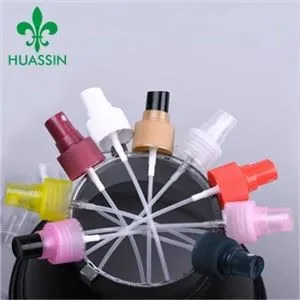
If you’re a brand looking for a reliable lotion pump supplier, or you have questions about what pump works best for your product, feel free to reach out to our team. We can walk you through all the design options, answer any questions you have, and help you pick a pump that fits your product, your budget, and your sustainability goals. We’ve worked with all kinds of brands—from small indie skincare lines to big beauty brands—and we’re here to make sure your packaging works as hard as your product does.
Plastic Spray Bottle References
- Personal Care and Beauty Packaging: A Guide to Design and Function, Cosmetic Packaging Association, 2022
- Plastic Pump Design for Viscous Liquid Dispensing, Journal of Packaging Technology and Science, Vol. 35, No. 2, 2021
- Consumer Preferences for Lotion Pump Features, International Journal of Retail and Distribution Management, Vol. 49, No. 5, 2021
- Food-Grade Pump Components: Compatibility Testing Standards, Food and Drug Administration, 2020
- Sustainable Packaging: Disassembly of Lotion Pumps for Recycling, Green Packaging Council, 2022
Guangzhou Huaxin Plastic Products Co.,Ltd
Guangzhou Huaxin Plastic Products Co., Ltd. is one of China’s successful lotion pump manufacturers and suppliers, we’ll offer you quality wholesale and customized services with low price. Feel free to buy discount lotion pump here. For price list and free sample, welcome to contact us.
Address: Suite #C, Shalong industrial Area, Zhenzhong South Rd, JiangGao Town, BaiYun District, Guangzhou, Guangdong, China
E-mail: vivian@huaxin-tube.com
WebSite: https://www.chinabeautypacking.com/
