If you’ve ever stepped onto a job site managing forestry debris, construction demolition waste, or agricultural biomass, you’ve probably glanced at a tub grinder—those massive, rotating machines that turn truckloads of bulky, unprocessed material into consistent, usable mulch, wood chips, or fuel. As someone who’s supplied tub grinders to contractors, farmers, and waste management teams across the Midwest for 12 years, one question I get asked at least twice a week is: “Can a tub grinder be rented?” Tub Grinder
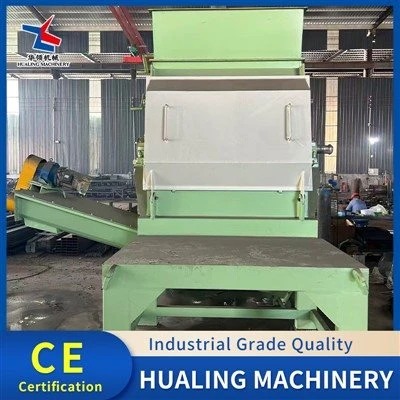
Before I dive into that, let me set a quick, real-world context. Early in my supply career, I watched a small logging company owner, Jake, sink $180,000 into a new tub grinder for a single 6-week pine harvest contract. When the project wrapped, the machine sat idle in his yard for 10 months, eating into his profit between jobs. That story’s not rare. Tub grinders aren’t a one-size-fits-all tool—they range in size from portable 50-horsepower units for small residential debris to 1,000-horsepower industrial giants for large-scale waste processing. The cost to buy runs from $20,000 for entry-level models up to $500,000+ for high-output, heavy-duty units. So for many operators, renting is a no-brainer… but it’s not always a straightforward yes.
First, let’s clear up the core answer: Yes, you can rent a tub grinder, but it’s not as simple as renting a lawnmower from your local hardware store. The process depends on three big factors: the type of project you’re tackling, what kind of tub grinder you need, and how to vet the rental provider to avoid costly headaches.
Let’s start with who tub grinder rentals make the most sense for. Small to mid-sized contractors, seasonal farmers, and teams with short, time-bound projects are the best candidates. For example, a farmer planting 50 acres of new crop might only need a tub grinder for 2 weeks to turn old corn stalks and brush into livestock bedding. A demolition crew cleaning out a strip mall parking lot only needs one for a month to chip concrete debris and wood framing. Even larger operations will rent instead of buy for specialized jobs—last year, I worked with a utility company that rented a portable tub grinder to clear 10 miles of power line right-of-way after a windstorm; buying a unit just for that emergency would have tied up too much capital.
But there’s a catch: not all rental companies offer tub grinders. Most rental fleets focus on common, easy-to-move tools—skid steers, excavators, portable saws. Tub grinders are heavy, require specialized maintenance, and need dedicated space for storage and transport, so many small rental outfits skip them. That’s why working with a dedicated equipment supplier like mine (the one behind this blog) is often better. We keep a rotating fleet of 12 tub grinders—from 50 HP portable units to 700 HP industrial models—all serviced and ready for rent, because we see the demand from operators who don’t want to drop six figures on a machine they’ll use a few times a year.
Now, let’s talk about the fine print that most first-time renters miss, because that’s where problems pop up. I’ve seen operators show up to pick up a rented tub grinder only to find it’s broken down mid-spin, or doesn’t have the right hammer mill to process their specific material. Here are the key details to nail down before you sign a rental agreement:
First, match the grinder type to your material. Tub grinders have two main components that determine what they can process: the size of the tub (the rotating drum that holds the material) and the type of grinding teeth (hammers, teeth, or a combination). For example, if you’re grinding soft, small brush or yard waste, an entry-level 50 HP unit works fine. But if you’re processing thick oak logs, concrete-encased rebar from demolition, or dense agricultural stalks, you need a grinder with heavy-duty hammers and a reinforced tub—renting a unit with the wrong setup will result in inconsistent chips, wasted time, and even machine damage. Last summer, a landscaping crew rented a small grinder from a big-box rental chain to process construction debris; they tried to chip 12-inch diameter tree trunks in it, and the hammers broke mid-job, costing them an extra $1,200 in repair fees and delaying their project. That’s avoidable when you talk to a supplier who understands material compatibility.
Second, calculate all the hidden costs of renting a tub grinder, because the daily rate isn’t the only number you’ll pay. First, transport: most tub grinders weigh 10,000 to 50,000 pounds, so you need a flatbed trailer with a heavy-duty towing truck to move it—renting that trailer adds $150 to $300 a day. Then there’s maintenance: your rental agreement will specify who pays for things like oil changes, filter replacements, and wear on the grinding parts (hammers, screens). Some rental companies charge a flat maintenance fee; others make you pay for every small part that wears out, even if it’s just from normal use. We include routine maintenance in our rental rates, but we make that clear upfront so operators don’t get sticker shock. Also, insurance: most job sites require proof of insurance for equipment rentals, and you’ll have to cover any damage to the grinder beyond normal wear and tear. For example, if you accidentally run a metal pipe through the tub, you’re on the hook for that repair—so always do a walkaround of the machine before you sign, and take photos of any existing dents or issues to avoid being blamed later.
Third, book early, especially for peak seasons. Tub grinder rental demand spikes in two big windows: late spring through early summer, when farmers are prepping fields and landscaping crews are cleaning up storm debris, and late fall through winter, when logging operations are wrapping up harvests and waste management teams are processing holiday tree trimmings. Last year, we had a small logging contractor call us two days before a 8-week project to rent a 700 HP industrial grinder—every unit we had was already booked, so he had to turn to a competing supplier at a 25% higher daily rate, and even then, the grinder was two days late arriving to his site. If you know you’ll need a tub grinder for a specific project, book it 4 to 6 weeks in advance, especially during peak times.
Now, let’s address a common misconception: is renting a tub grinder cheaper than buying? It depends on how often you’ll use it. Let’s do a quick example: a mid-sized 300 HP tub grinder rents for about $1,200 a week, plus transport and maintenance. If you only need it for 6 weeks a year, that’s $7,200, plus transport, over a year. If you buy the same unit for $75,000, you’ll wait 10 years to make back that cost—plus you’ll have to pay for storage, maintenance, and repairs in between. But if you use a tub grinder 50+ weeks a year, buying makes more sense, because you’ll pay off the machine in 2 years of full-time use. That’s why our company works with both renters and buyers—we help operators weigh those numbers, and offer flexible rental-to-own programs for anyone who likes a grinder they’ll use long-term, but isn’t ready to commit to a full purchase.
I also want to touch on a question that comes up a lot with operators new to tub grinders: “Do I need an operator to run a rented tub grinder?” The short answer is yes, but some rental providers include operator training in their rental package. Tub grinders are powerful, heavy machines—running one incorrectly is dangerous, and can damage the unit or cause injury. Last year, a construction worker tried to operate a rented grinder without training; he fed too much material at once, which jammed the machine, and cost the rental company $3,000 in parts and repair time. We offer on-site operator training for all our renters for an extra $75 a day, because we want them to get the job done safely and without issues. We also provide a 10-page safety guide and quick-reference sheet for every rental, so even if they have an experienced operator, they have clear rules to follow.
At the end of the day, renting a tub grinder is a great solution for most short-term or specialized projects, but it’s critical to do your homework first. Don’t just go to the first rental chain you find—look for a supplier that specializes in heavy equipment like tub grinders, because they’ll have the right units, transparent pricing, and the expertise to help you pick the right tool for your job.
If you’re planning a project that requires a tub grinder, or have questions about rental rates, availability, or training, reach out to our team to connect for a detailed discussion. We’re here to help you find the right solution for your timeline and budget, so you can get your project done on time and on cost.
Wood Peeling Machine References:
- National Institute for Occupational Safety and Health (NIOSH). (2021). Safety Guidelines for Operation of Heavy Agricultural and Construction Equipment. U.S. Department of Health and Human Services.
- Equipment Watch. (2022). 2022 Heavy Equipment Rental Market Report: Tub Grinder Demand and Pricing Trends. Randall Publishing.
- American Forest and Paper Association (AF&PA). (2020). Best Practices for Processing Wood and Agricultural Debris with Tub Grinders. AF&PA Operations Division.
- Rental Industry Association (RIA). (2023). 2023 Rental Equipment Cost Guide: Tub Grinder Rental Rates and Hidden Expenses. RIA Education Foundation.
- U.S. Environmental Protection Agency (EPA). (2021). Small-Scale Waste and Biomass Processing Equipment Guidance for Contractors and Farmers. EPA Office of Sustainable Materials Management.
Shandong Hualing Machine Manufacturing Co., Ltd.
As one of the most professional tub grinder manufacturers and suppliers in China, we also support customized service with low price. Please rest assured to buy discount tub grinder in stock here from our factory. If you have any enquiry about quotation, please feel free to email us.
Address: Industrial Park, Dagong Village, Changshan Town, Zouping City, Shandong Province
E-mail: hualing@sdhualing.com
WebSite: https://www.hualingmachine.com/
