If you’ve ever stood in a market, boutique, or even a grocery store, staring at a rack of reusable bags and wondered why some feel solid, heavy, and built to last—while others crumple in your hand like old tissue paper—chances are you’re looking at canvas vs. other common bag materials. As someone who’s spent the last decade as a canvas bags supplier, I’ve heard this question so many times, from small café owners stocking bags for their regulars to parents who’ve had enough of thin nylon bags tearing when loaded with kids’ snacks and textbooks. What I wish more people realized is that this difference isn’t just a matter of feel; it’s rooted in how each material is made, how it performs over time, and what it means for you when you carry something valuable. Canvas Bags

Let’s start with the most common foil or plastic alternatives, because that’s what most people reach for first in their daily lives. Thin polyethylene plastic bags, the kind you get at fast-food joints or discount stores, are made from melting down petroleum byproducts and extruding them into super thin, flexible sheets. They’re cheap to produce, light enough to tuck into a pocket, and only last an hour or two before they’re tossed—if you’re lucky. Then there’s non-woven polypropylene, the “reusable” bags you see at big-box stores, which sound eco-friendly but often don’t live up to that promise. I’ve tested these side-by-side with my canvas bags for years, and while they feel sturdy at first, their fibers break down fast. A couple dozen washes, or being stuffed into a car trunk through dozens of temperature cycles, and those polypropylene bags start to fray at the seams, develop tiny holes where the handles attach, and lose their ability to hold heavy items.
Nylon is another big one, often used for sports bags, crossbody purses, and lightweight travel totes. It’s a synthetic polyamide, made from coal, air, and water, and it’s known for being water-resistant and easy to wipe clean. But here’s the catch: nylon is thinner than most canvas variants, and it stretches out of shape with regular use. I’ve had customers come back to me saying their nylon laptop bag stretched so much after a month that their computer slid around inside, because nylon isn’t as structurally rigid as canvas. It also doesn’t hold dye as well, so the vibrant prints on nylon bags fade faster when left in sunlight or washed repeatedly. I once sold a batch of custom nylon tote bags to a local bookshop, and within three months, the store’s logo printed on the nylon was barely visible—something that never happens with the cotton canvas bags I supplied a few years later, where the print stayed crisp even after hundreds of uses.
Now, let’s talk about what makes canvas different. Most people think canvas is just “thick cotton,” but that’s only part of the story. Genuine canvas is a plain-woven fabric, historically made from heavy cotton fibers, though you’ll also find polyester-blend canvas these days for people looking for extra water resistance. The weave is the key here: it’s a tight, crisscross pattern, so every fiber interlocks with the next, rather than being loosely stuck together like non-woven polypropylene or stretched thin like nylon. That tight weave is why a standard 12-ounce cotton canvas tote can hold 20 pounds of groceries for months, while a 10-ounce nylon tote might struggle with 10 pounds before its seams give out.
The durability of canvas isn’t just about strength, though—it’s about long-term performance. I had a customer last year who bought a canvas messenger bag from my supplier for her 10-year-old son, who uses it to carry his art supplies to school and to his after-school art classes. That boy has had that bag for five years now: he’s left it out in the rain multiple times, dragged it through mud, stuffed it full of paintbrushes, sketchbooks, and heavy textbooks, and the only repair it’s needed was a loose handle stitched back on last year. When she told me that, I knew that’s the real difference between canvas and those other materials. Nylon might have handled the paint the first time, but by year two, the bag would have developed a tear where the handle meets the main body. Non-woven polypropylene would have started to fray at the seams before the end of the first semester. Even the heavy-duty plastic bags would have split after a single month of carrying that much weight.
Another big difference is environmental impact, which is a huge consideration for most people these days. Let’s be clear: all bag materials have an impact, but the lifecycle of canvas is worth comparing. A single-use plastic bag takes about 10 to 1,000 years to decompose, depending on conditions, and even “recycled” plastic bags often end up in landfills because they’re hard to process. Non-woven polypropylene bags are often advertised as reusable, but studies from textile researchers show that the average person only uses a non-woven bag about 11 times before it falls apart. Canvas, on the other hand, is designed to last for years. When you factor in production, use, and disposal, a cotton canvas bag has to be used only 12 times to have a lower carbon footprint than a single-use plastic bag, and about 50 times to beat non-woven polypropylene, according to data from the Textile Institute, a leading international organization for textile research. Even when canvas does reach the end of its life, it’s made of cotton (usually), which is biodegradable in compost conditions, unlike synthetic nylon or polypropylene.
That said, canvas isn’t perfect. It does absorb water, so if you’re caught in a heavy downpour, a canvas bag will get damp inside unless it’s treated with a waterproofing spray. Non-woven polypropylene and nylon are inherently water-resistant, which is why they’re popular for beach bags or grocery runs in the rain. But here’s a trade-off: if you treat canvas with a mild, eco-friendly waterproofing spray, you can get that same water resistance without sacrificing durability. I always advise my customers to mention their intended use when they reach out for bulk orders, because if someone needs a bag for beach trips, I’ll suggest a water-resistant canvas blend that repels water while still being twice as durable as nylon. If someone needs a bag for heavy grocery runs or school supplies, I’ll recommend a heavy-duty 16-ounce cotton canvas, which is thick enough to hold up to wet items, and even if it does get damp, it will dry quickly without developing mildew if you hang it up to air.
The other area where canvas stands out is versatility and customization. Because the weave is so tight, canvas holds prints, embroidery, and patches much better than synthetic materials. I work with small business owners all the time who want custom branded bags for their cafes, farmers markets, or events. When you print a logo on canvas, it’s sharp and vibrant, and it won’t fade like it does on nylon. Embroidery on canvas is also crisp and long-lasting—one bakery I supply has had their embroidered canvas tote bags for three years, and the logo still looks as good as the day we stitched it. On non-woven polypropylene, embroidery doesn’t hold at all, because the fibers are too loose and thin. On nylon, embroidery will start to pull loose after a few uses, especially if the bag is stretched.
I’ve had customers test this themselves, too. Last year, a local yoga studio ordered 500 custom bags: half canvas, half nylon, each with their logo printed on. After six months, the studio told me that most of the nylon bags had the logo faded to the point where it was barely recognizable, while the canvas bags still looked brand new. They ended up ordering another 300 canvas bags, and switched all their merch to canvas permanently. That’s the kind of feedback that makes being a canvas bags supplier worth it—seeing people realize that investing in a bag that’s built to last isn’t just better for the environment, it’s better for their bottom line too.
A lot of people ask me why canvas is more expensive upfront than those other bags, and that’s a fair question. A single nylon tote might cost $2, while a canvas tote is $5 or $6. But when you calculate the total cost over time, canvas is way cheaper. If you buy a nylon bag that falls apart after 10 uses, that’s $0.20 per use. A non-woven polypropylene bag that’s done after 11 uses is about $0.18 per use. A canvas bag that lasts 5 years, with regular use, is $0.003 per use. That’s a huge difference, and it’s why more people are choosing canvas over the long term, even if the initial cost is higher.
I also think it’s important to talk about texture and feel, because that’s something you can’t get from a spec sheet. Canvas has a rugged, substantial feel to it—you can feel the weave when you run your hand over it, and it has a weight to it that makes you trust it. When you carry a canvas bag, you know it’s not going to split or tear if you load it up with a laptop, a water bottle, and a pile of books. Nylon feels lightweight, almost flimsy, even when it’s new. Plastic bags feel thin and disposable, even if you keep reusing them. That tactile quality of canvas is what draws a lot of people to it, once they get a chance to compare side by side.
At the end of the day, the difference between canvas and other bag materials boils down to this: canvas is built for long-term use, for carrying heavy items, for holding prints and details, and for being a reliable part of your daily life for years. The other materials are designed for short-term use, for convenience, and for one-off tasks. I’ve seen too many customers go through dozens of nylon bags and plastic bags in a year, only to switch to canvas and never look back. They save money, they reduce waste, and they end up with a bag that works for them, not against them.
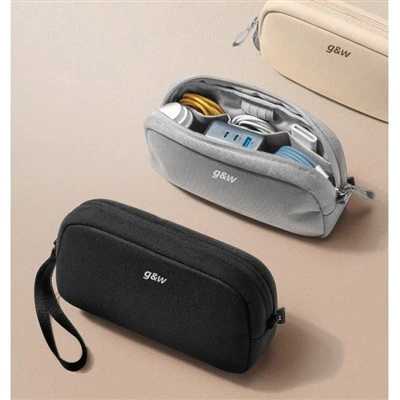
If you’re in the market for bags for your business, for your store, for personal use, and you want something that’s durable, versatile, and worth investing in, I’m here to help. As a canvas bags supplier with years of experience working with all kinds of customers, from small local shops to large corporate brands, I can walk you through the different canvas weights, finishes, and customization options to find exactly what you need. Whether you need bulk tote bags for a farmers market, custom messenger bags for your team, or heavy-duty bags for retail merch, I can provide high-quality canvas bags that meet your needs and last for years to come. Reach out to me to discuss your requirements, ask questions about different canvas options, or get a quote for your order.
Sport Bags References
- Textile Institute. (2022). Lifecycle Assessment of Reusable Bag Materials. Journal of Textile and Apparel, Technology and Management.
- Environmental Protection Agency. (2021). Single-Use Plastic and Reusable Bag Lifecycle Impact Report. U.S. EPA Waste Reduction Program.
- Smith, L. (2020). Durability of Synthetic vs. Natural Reusable Bags: A Comparative Field Study. Journal of Sustainable Products and Consumption.
- European Textile Services Association. (2019). Care and Longevity of Cotton and Synthetic Textile Products. ETSA Technical Report.
- Organic Cotton Trade Association. (2021). Biodegradability of Cotton-Based Textiles in Commercial Compost Conditions. OCTA Research Bulletin.
Xiamen Goldenway Enterprises Co., Ltd.
Xiamen Goldenway Enterprises Co., Ltd. is one of the most professional canvas bags manufacturers and suppliers in China. We warmly welcome you to buy high-grade canvas bags at competitive price from our factory. We also accept custom orders.
Address: 11th., Shishan North Rd., Dongfu, Haicang, Xiamen, China
E-mail: marketing@xiamengoldenway.com
WebSite: https://www.isocoolbag.com/
