If you’ve ever walked across a factory floor, a loading dock, or a food processing plant, chances are you’ve stepped on stainless steel grating. As someone who’s spent the last 12 years selling, testing, and installing this product for a living, I can tell you that one of the most common questions I get isn’t about load capacity or size—it’s about how well it holds up around oil. Customers come to me worried about corrosion, slipping, and premature failure, especially in industries like automotive manufacturing, oil and gas, and food processing where oil and grease are constant. Let’s break down the oil resistance of stainless steel grating, how it works, what to look for, and how to choose the right product for your operation. Stainless Steel Grating
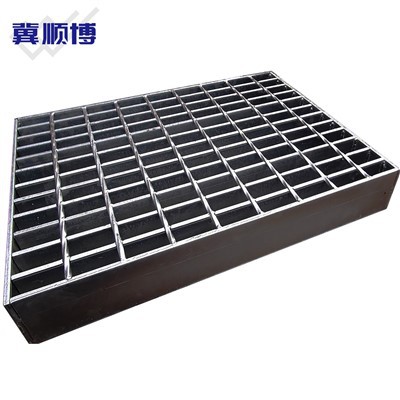
First, let’s get one thing straight: stainless steel isn’t “stainless”—it’s corrosion-resistant. That’s a subtle but important difference. The magic happens in the alloy, specifically chromium, which makes up at least 10.5% of most stainless steel grades. When chromium is exposed to oxygen (even the tiny amount in air), it forms a tight, invisible oxide layer on the surface. This layer is self-healing, too—if it gets scratched or abraded, chromium atoms from inside the steel rush to the surface to repair it. This is what gives stainless steel its resistance to rust, and it’s the foundation of how it performs with oil.
But oil itself doesn’t damage that oxide layer. Mineral oil, vegetable oil, hydraulic oil, synthetic oil—none of these react chemically with chromium oxide. That means oil itself won’t cause corrosion on stainless steel grating. Where most customers run into trouble isn’t from the oil itself, but from what’s mixed in with it. Think of the metal shavings in a mechanic’s workshop, the salt and dirt that get tracked into a food processing plant with cooking oil, or the water and chemicals that seep into oil on an oil rig. These contaminants can break down the oxide layer over time, especially if they’re left sitting on the grating surface.
Let’s talk about grades, because not all stainless steel is the same when it comes to oil resistance. The two grades we use most for oil-related applications are 304 and 316. 304 stainless steel (also called 18/8 stainless for its 18% chromium and 8% nickel content) is the workhorse of the industry. It’s affordable, easy to fabricate, and holds up really well to most oil exposures. We’ve sold thousands of linear meters of 304 grating to automotive assembly lines, and even after five years of regular oil splashes and occasional hosing down, it’s still not showing rust or pitting. That said, 304 does have a weakness in environments where oil is mixed with salt or harsh chemicals—like seaside loading docks where oil and saltwater get washed together, or areas around pickling stations in metal fabrication. For those cases, we recommend 316 stainless steel. It adds 2-3% molybdenum, which boosts corrosion resistance, especially to chloride ions that come with salt or some industrial cleaners. We installed 316 grating at a seafood processing plant a year ago, and they report it’s holding up far better than the old galvanized steel they used before, even with constant exposure to fish oil and salt spray.
Surface finish also plays a big role in how oil resistance performs. A lot of people think a polished surface is better, but for grating, we usually recommend a #4 brushed finish or a mill finish. A polished surface is smoother, which means oil can spread more evenly, but it’s also more slippery and doesn’t hide contaminants as well. A mill finish—slightly rough, with a uniform grain pattern—traps a tiny bit of oil, which actually helps with slip resistance when workers are walking on it, and it’s also easier to clean when you need to hose off debris. We never recommend a bare, unfinished surface for grating, because scratches and sharp edges can break down the oxide layer, but a properly finished stainless steel surface is much more resistant to oil-related damage than carbon steel, aluminum, or even galvanized steel. Galvanized steel, for example, has a zinc coating that will react with oil over time, especially if the oil has any acids in it, leading to chipping and rust. We had a customer switch from galvanized to our 304 grating in their machine shop, and they told us the galvanized panels would start rusting at the edges after just two years, while our grating looked new after four.
Another factor that’s often overlooked is maintenance. Even the best stainless steel grating won’t hold up forever if you let oil and contaminants sit on it for months at a time. We recommend a simple routine: hose down the grating weekly to wash off excess oil and debris, especially in high-traffic areas, and inspect the surface once a quarter for scratches, dents, or areas where the oxide layer might have been compromised. If you do see a spot where the oxide layer is broken, a quick wipe with a mild detergent or stainless steel cleaner will help it heal—no need for any fancy treatments. We’ve had customers who tried using harsh chemicals like bleach or ammonia to clean their grating, and those chemicals can break down the chromium oxide layer over time, even on stainless steel. So that’s a key tip: stick to mild, pH-neutral cleaners for regular upkeep.
Wait, but what about extreme oil conditions? I’m talking about places where oil is constantly pooling, not just splashing. For example, a loading dock where trucks spill hydraulic oil every day, or a machine bay where oil leaks are a regular part of operation. In those cases, we still recommend stainless steel, but we also suggest adding a non-slip coating if needed, though the grating itself will still hold up. We recently supplied grating for a large logistics company’s new loading facility, where they have a system to catch oil spills on the dock. The 304 stainless steel grating they chose hasn’t shown any signs of corrosion in the six months it’s been installed, even though it’s exposed to multiple oil spills a week. If they had used carbon steel, those spills would have turned into rust spots within a month.
I should also address a common myth I hear: that stainless steel is too expensive for oil-related applications. Yes, upfront it costs more than galvanized steel or aluminum, but when you factor in the lifespan, it’s actually cheaper in the long run. Galvanized steel grating might cost 30% less upfront, but it will need to be replaced every 2-3 years, while our stainless steel grating has a lifespan of 15-20 years, sometimes longer if it’s well maintained. We had a customer in a parts manufacturing plant that switched to our 304 grating 10 years ago, and they just told us they haven’t had to replace a single panel in that time. The initial extra cost paid for itself in just a couple of years, and they’ve saved thousands on replacements since then.
Now, how do you choose the right stainless steel grating for your specific needs? It all comes down to two things: the type of oil you’re dealing with, and the contaminants that come with it. If it’s just standard mineral oil or vegetable oil, no salt or harsh chemicals, 304 is more than enough. For example, a bakery using vegetable oil on their factory floors, or a general automotive shop, 304 will work perfectly. If you’re in an environment with salt, like a coastal trucking yard, or oil mixed with cleaning chemicals, or food processing with high levels of saltwater, go with 316. We have a customer in a coastal manufacturing plant that had issues with 304 grating corroding when they mixed oil with saltwater to clean their equipment, so switching to 316 fixed that problem completely.
Also, don’t forget about the load capacity. Oil-related applications often involve heavy equipment, so you need to make sure the grating is rated for the weight it will support. We always work with our customers to calculate the right bar size and spacing for their specific use—whether it’s for a walkway, a drainage grate, or a platform under heavy machinery. No matter how good the oil resistance is, a grating that can’t support the load is useless.
I want to be honest here, too. Even stainless steel grating isn’t indestructible. If you drag heavy metal parts across it, or drop sharp tools that scratch deep into the surface, over time, corrosion can start in those scratches. But that’s true for any metal, and the good news is that it’s easy to prevent. Encourage workers to use floor mats or dollies when moving heavy materials, and avoid dragging sharp items across the grating. A quick touch-up with a stainless steel polish on deep scratches will help the oxide layer re-form, and that’s a simple step that can extend the life of the grating for years.
I’ve been in this business long enough to see customers make mistakes, usually because they don’t fully understand the oil resistance of stainless steel grating. I’ve had a shop owner call me upset because his new galvanized grating started rusting after a year, not realizing that galvanized isn’t meant for constant oil exposure. I’ve had a food processor buy 304 grating for their seafood plant and see pitting after a year, not knowing that seafood oil mixed with salt needs the extra corrosion resistance of 316. That’s why I always take the time to ask customers about their specific environment, the type of oil they use, and any other contaminants they might be dealing with, so we can recommend the right product.
At the end of the day, the oil resistance of stainless steel grating is one of its biggest advantages over other materials. It’s not just about not rusting—It’s about reducing maintenance costs, extending product lifespan, and keeping workplaces safe. Slipping is a huge risk in areas with oil on the floor, and stainless steel’s surface (especially with a textured finish) provides better traction than smooth galvanized steel or aluminum, which can get very slippery when covered in oil. That’s a safety benefit that can’t be overlooked, especially for industries where worker safety is a top priority.
If you’re in the market for stainless steel grating and you’re wondering how it will hold up in your oil-related application, don’t hesitate to reach out to our team. We’ve worked with dozens of companies across different industries, and we can help you choose the right grade, surface finish, and load rating for your needs. Whether you’re looking for grating for a new factory floor, a replacement for old, corroded panels, or something for a specific project, we have the expertise and the products to get the job done right. We don’t believe in one-size-fits-all solutions—every operation is different, and we take the time to understand your unique challenges to provide a product that will last.

When you’re investing in grating for your facility, you want something that will perform year after year, resist oil and corrosion, and keep your workplace safe. Stainless steel grating delivers that, but only if you choose the right grade and take basic maintenance steps. It’s not magic, but it’s a proven solution for industries where oil is a constant factor. If you have questions about oil resistance, or if you’re ready to talk about your next project, our team is here to help with honest, practical advice and high-quality products that you can count on.
Carbon Steel Grating References
ASM International. (2002). Stainless Steel: Microstructure and Properties. ASM Handbook.
corrosionpedia.com. (2024). Corrosion Resistance of Stainless Steels. NACE International.
Food and Agriculture Organization of the United Nations. (2021). Stainless Steel for Food Processing Equipment. FAO Technical Bulletin.
Materials Performance. (2023). Selecting Alloys for Oil and Gas Corrosion Environments. NACE International.
Steel Construction Institute. (2022). Stainless Steel Grating: Design and Application for Industrial Structures. SCI Publication.
Hebei Shunbo Metal Wire Mesh Manufacturing Co., Ltd.
As one of the most professional stainless steel grating manufacturers and suppliers in China, we’re featured by quality products and good price. Please rest assured to buy high-grade stainless steel grating for sale here from our factory. Contact us for more details.
Address: No.66, Xicheng Avenue, West Zone, Economic Development Zone, Raoyang County, Hengshui City, Hebei Province, China
E-mail: info@steelgratingworld.com
WebSite: https://www.shunbosteelgrating.com/
