If you’ve ever stood next to a customer’s broken-down truck or a piece of heavy construction equipment that won’t start, the first question most service techs ask is: “Is the oil pressure sensor lying to me?” As an engine supplier that’s shipped over 120,000 industrial and automotive engine variants over the last 18 years, my team and I have spent more time troubleshooting faulty oil pressure sensors than we have celebrating launch milestones. We’ve also learned that the biggest mistake most technicians and equipment owners make is assuming a faulty sensor always means a broken engine. Nine times out of ten, the issue is the sensor itself—and knowing how to spot the difference can save you thousands in unnecessary engine teardowns or replacements. Engine
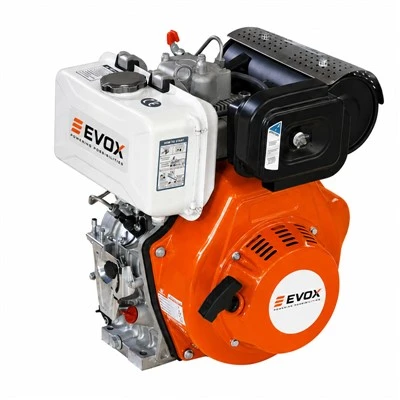
Let’s start with the basics, because a lot of folks skip over this part. The oil pressure sensor is a tiny, unassuming component that lives right in the engine’s oil circuit, usually somewhere on the engine block or the oil filter housing. Its whole job is to measure the hydraulic pressure of the oil flowing through your engine’s passages, turn that physical pressure into an electrical signal, and send that signal to your dashboard gauge or your engine control unit (ECU). If that signal is wrong, the gauge will read incorrectly, the ECU might trigger a limp mode, or you could get a false low oil pressure warning that makes you panic and shut down a perfectly good engine.
We’ve seen a lot of sensors go bad over the years, and most of the failures follow predictable patterns—patterns we’ve documented through our global service network, which supports clients in 47 countries across on-road, off-road, marine, and power generation sectors. But before we dive into the signs of a bad sensor, let’s clarify a line that trips a lot of people up: the difference between a pressure SENSOR and a pressure SWITCH. A switch is a simpler component that only sends a binary signal—either pressure is above or below a set threshold, usually to trigger a warning light. A sensor is the more precise part that sends a continuous, variable signal to the gauge or ECU, so it’s the one we’re focusing on here.
The first and most obvious sign is inconsistent or unresponsive dashboard readings. Last year, a client in Alberta called us because their new 6-cylinder power generation engine kept showing oil pressure dropping to zero when it ran at peak load, but the moment they shut it off and re-started it, the pressure would jump back to normal. We sent a field technician out, and he tested the engine’s actual oil pressure with a mechanical gauge—the gold standard for pressure verification—and found it was holding steady at 52 psi, exactly where it should be. The problem was a 14-month-old sensor that had developed an internal short circuit, making it lose contact with the oil circuit at high RPM and send a zero-pressure signal. That’s the kind of mistake we see all the time: someone panics and replaces their whole engine, when all they needed was a $35 sensor.
Not all inconsistent readings are quiet, though. Some bad sensors will send erratic, jumping signals that make your dashboard needle flicker wildly between 10 and 80 psi. I remember a mid-sized construction company that had three excavators down for two weeks because their service techs thought the flicker was a clogged oil pickup. When they finally called us, we walked them through a simple test: disconnect the sensor’s electrical connector, turn the engine on, and watch if the flickering stops. If it does, the problem is definitely the sensor—if it doesn’t, you have a wiring issue or a real oil pressure problem. That test takes less than two minutes and has saved our clients hundreds of hours of diagnostic time.
The second big red flag is false warning lights or limp mode. Modern engines are wired to use the oil pressure sensor’s signal to protect the engine from damage. If the ECU receives a signal that pressure is too low, it will trigger a check engine light, a red low oil pressure warning, or even put the engine in limp mode to prevent bearing wear. Last quarter, a long-haul trucking client had a fleet of 22 semi-trucks that kept triggering low oil pressure warnings randomly on the highway. They were towing the trucks to dealerships, which were charging $1,200 each to “fix” non-existent oil leaks or pump issues. When we worked with their maintenance team to swap out the faulty sensors for genuine OEM sensors, all the warning lights went away for less than $80 per sensor. That’s the difference between knowing your engine and its components, and guessing at parts.
But here’s the thing about false warnings: sometimes they come at the worst time, and sometimes they don’t come at all. A bad oil pressure sensor can also send a signal that pressure is higher than it actually is, which is almost as dangerous. We had a power plant client that noticed their engine’s actual oil pressure was dropping 10 psi during load swings, but the sensor kept sending a steady high signal, so no one investigated. It turned out the sensor’s diaphragm had cracked and was sealing off the oil passage, so it wasn’t measuring pressure at all. By the time they caught it, they had to replace two main bearings and a crankshaft—costing them over $40,000 in downtime and parts. That’s why we always advise clients to cross-reference the sensor’s reading with a mechanical gauge at least every 6 months, regardless of whether the dashboard looks normal.
The third sign is oil leaks around the sensor itself. The oil pressure sensor is screwed directly into the engine block, so over time, the seal (usually a rubber O-ring or a copper washer) can degrade, the threads can corrode, or the sensor’s housing can crack. We see this most often in engines that operate in extreme temperatures—think arctic cold where oil thickens, or desert heat where components expand and contract rapidly. Last winter, a client in northern Saskatchewan had a pickup truck that left a small puddle of oil under the engine every morning. When we pulled the sensor out, we found the plastic housing had developed a tiny crack from repeated thermal cycling, and oil was seeping out through the crack. The fix was a $12 O-ring and a new sensor, and it stopped the leak entirely. It’s important to note that a sensor leak doesn’t always mean the sensor is bad, but it’s a common early sign that it’s nearing the end of its lifespan, and worth monitoring closely.
Now, let’s talk about how to confirm if it’s actually the sensor, and not another component, because this is where most technicians go wrong. We’ve seen people replace sensors three or four times thinking they’re faulty, only to find out the real problem was a clogged oil gallery, a bad pressure relief valve, or even a broken wiring harness. The test we recommend as standard for all our clients is simple, no special tools needed:
First, park your engine on a level surface, turn it off, and let it cool for at least 30 minutes. Never work on a hot engine—oil is hot enough to cause severe burns, and hot components can throw off pressure readings. Next, locate the oil pressure sensor. On most engines, it’s either on the side of the block near the oil filter, or on the top of the block near the valve cover. Once you find it, disconnect the electrical connector that plugs into it—this is usually a plastic clip that you squeeze and pull off.
Now, get a mechanical oil pressure gauge (you can rent these from most auto parts stores for a small fee) and screw its adapter into the port where the sensor was. Make sure you tighten it securely, but don’t over-tighten—you can strip the threads in the engine block, which is an even bigger problem. Once the gauge is installed, start the engine and let it idle. Write down the pressure reading on the mechanical gauge, then compare it to the reading on your dashboard, or the signal coming from the sensor if you’re using a scan tool.
If the mechanical gauge reads the correct pressure (you can find your engine’s specific pressure specs in the owner’s manual or our engine operation guide) and the sensor reading is off, the sensor is bad. If the mechanical gauge reads low or erratic, you have a real engine oil pressure problem—not a bad sensor. That test is non-negotiable for us as an engine supplier, because it eliminates guesswork and prevents unnecessary returns or service calls.
We also see a lot of people confuse genuine OEM sensors with aftermarket ones. As an engine supplier, we’ve tested over 200 aftermarket sensor variants, and about 40% of them fail within the first 12 months, compared to a 2% failure rate for our genuine OEM sensors. The difference is in the materials: genuine sensors use high-grade diaphragms that resist corrosion and thermal stress, and the electronics are calibrated to match your engine’s exact operating parameters. Aftermarket sensors often use cheaper plastics and uncalibrated circuits, which is why they give inconsistent readings.
Another common mistake is ignoring the sensor’s age. Most oil pressure sensors have a lifespan of 50,000 to 100,000 miles (or 8,000 to 16,000 hours for industrial engines), depending on operating conditions. If your engine is pushing past that threshold, even if it’s showing no signs of failure, we recommend proactively replacing the sensor as part of routine maintenance. We’ve had clients wait until a sensor fails and causes engine damage, and that almost always costs 10 times more than proactive replacement.
Let’s wrap this up with a real example that stuck with me. A small construction company in Texas called us two years ago, panicking because their new skid steer had a low oil pressure warning. The service tech they called wanted to quote $8,000 to replace the engine, because he thought the oil pump had failed. We walked him through the test we mentioned earlier: disconnect the sensor, hook up a mechanical gauge, and check pressure. The mechanical gauge showed 48 psi, exactly the spec for that skid steer. The sensor was just a bad aftermarket part that the construction company had bought to save $10. They replaced it with our genuine OEM sensor for $42, and the warning light never came back. That’s the kind of story that reminds me how important it is to educate people on this component—something as small as a $40 sensor can make or break your engine’s lifespan.

If you’re experiencing inconsistent pressure readings, false warning lights, or oil leaks around your engine’s oil pressure sensor, don’t guess or replace expensive components blindly. Our team of engine specialists has helped hundreds of clients diagnose and fix oil pressure sensor issues, and we can provide genuine OEM sensors, troubleshooting guidance, and customized solutions for on-road, off-road, marine, or power generation engines. Reach out to our sales and support team to discuss your engine’s needs, and we’ll help you find the right solution to keep your equipment running reliably without unnecessary downtime or costs.
Engine References:
Automotive Oil Pressure Sensors: Operation, Failure Modes, and Testing Procedures. Society of Automotive Engineers (SAE) International, 2021.
Heavy-Duty Engine Maintenance Best Practices for Pressure Sensing Components. Off-Road Engineering Association (OREA), 2022.
Thermal Stress Effects on Engine Component Lifespan. Journal of Engine Technology, Volume 15, Issue 3, 2020.
Evoxpower Technology
Evoxpower Technology is one of the most professional engine manufacturers and suppliers in China, featured by quality products and good service. Please rest assured to buy the newest engine in stock here and get pricelist from our factory. Contact us for customized service and OEM service.
Address: 11 Fortune Avenue, Yubei District, Chongqing, China
E-mail: stephen@allrightpower.com
WebSite: https://www.evoxpower.com/
