Hey there, if you’ve ever stood in the bedding aisle scrolling through comforter prices and thought “wait, is a $50 comforter just as good as a $500 one?” — ugh, same. As a comforter supplier who’s chatted with hundreds of people stressing over this exact question, I get it. Price feels random half the time, right? Like one brand’s “luxury comforter” is $800 and another’s is $150. So today we’re breaking down the real cost range of comforters, no fancy jargon, just the straight facts I’ve picked up working in this space, plus what actually impacts how much you’re spending (and if it’s worth it). Comforter
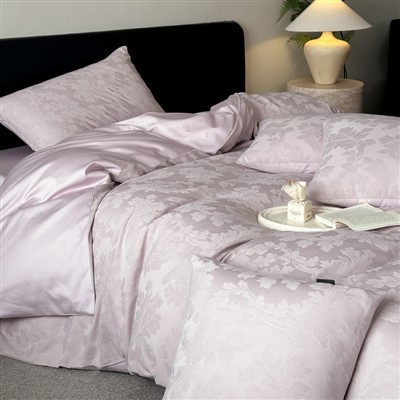
First, let’s set the baseline: comforter prices aren’t a scam — but there are so many variables that shift the cost that a “one size fits all” answer is impossible. I’ve seen comforters go from under $30 to over $1,200, and every step up has a real reason (even if some brands mark up way more than necessary for a logo). Let’s split this into the three main brackets I deal with daily: budget comforters, mid-range, and luxury. That makes it way easier to wrap your head around.
Starting with budget comforters, which usually land between $25 and $100 for a standard queen size. These are the ones you’ll find at big-box stores, fast-fashion retailers, or even some online shops that pump out new bedding every season. What’s the catch here? Almost always, the materials. Most budget comforters use synthetic fill — like polyester microfiber — that’s cheap to make, feels a little crinkly at first, and doesn’t hold up super long. I’m talking like 1-3 years if you wash it regularly, and by the end it might get lumpy, flatten out, or start to fade after a few washes. The outer fabric too is usually a thinner polyester blend, not cotton, so it doesn’t breathe well — that means you might wake up sweaty in the middle of the night, especially if you run warm.
Wait, but hold on — I’m not saying all budget comforters are bad, or that you should never buy one. If you’re a college student living in a dorm, or renting a place short-term, or just want a backup comforter for guests that you don’t want to splurge on? Totally fine. I’ve had customers come in specifically for a $40 queen comforter for their kid’s first apartment, and they leave happy because it does exactly what they need: keeps them warm, doesn’t cost a fortune, and they don’t have to stress if it gets stained. The key here is knowing your use case — budget is great for short-term, low-wear scenarios.
Next up is mid-range, the sweet spot most people end up in, which runs between $100 and $300 for a queen size. This is where you start getting noticeable upgrades, and I’d argue this is where most people should land if they’re buying a comforter they plan to keep for 5+ years. Let’s talk fill first: mid-range is usually a mix of higher-quality synthetics or even natural fills like cotton or wool (wait, wool is a big one here — it’s breathable, regulates temperature, so you’re not hot or cold, unlike polyester). There’s also down alternatives here, but not the cheap microfiber kind — these are usually higher-density, more plush, and don’t feel like sleeping on a plastic bag. The outer fabric is a big step up too: most mid-range comforters use 100% cotton, usually at least 200-thread count (thread count is just how many threads are woven into one square inch, higher count means softer, more durable fabric — though past 400 it’s pretty negligible, fyi).
What else makes mid-range worth it? Stitching, or baffle boxes. That’s the little sewn squares that keep the fill from shifting to one corner, right? Budget comforters often have bad stitching, so after a few washes your comforter looks like a lumpy potato. Mid-range ones have consistent, tight baffle boxes, so the fill stays evenly distributed for years. I see so many customers switch from budget to mid-range and say “why didn’t I do this sooner?” because the difference in comfort and durability is night and day. Plus, mid-range comforters usually come with a 1-5 year warranty, which is a huge perk — if something goes wrong (like a seam rips, or fill gets lumpy), you can get it fixed or replaced, no hassle.
Now, luxury comforters, which start around $300 and can go all the way up to $1,500+ for a queen size. These are for people who want the absolute best, long-term, or are into premium natural materials. Most luxury comforters use either high-grade down (goose down, usually 700+ fill power — fill power is how much loft the down has, so higher means fluffier, warmer, and lighter) or down alternative blends that are super soft. You’ll also find wool, cashmere, or even silk fills in this bracket, which are way more expensive to source and process. The outer fabric here is usually high-thread-count cotton (400+, sometimes 600 or even 1000, though again, don’t get tricked by crazy high numbers if you don’t need it), linen, or even Tencel, which is super breathable and eco-friendly.
Luxury also means way better construction: double stitching, reinforced seams, baffle boxes that are precise, so the comforter can be washed dozens of times and still look like new. I’ve had customers buy a $800 luxury down comforter and keep it for 10+ years, that’s how much life you get out of it. But wait — is luxury worth the price? That’s totally personal. If you’re someone who values that ultra-plush, cloud-like feel, or you have allergies and need hypoallergenic high-grade down, or you’re furnishing a forever home and want a comforter that lasts a decade or more? Absolutely. If you’re only keeping it for 2 years, or you’re not sure if you’ll like a down fill? Probably not. There’s no shame in sticking to mid-range — most people can’t tell the difference between a $200 mid-range down alternative and a $800 luxury one, honestly, unless they’re side by side touching.
Wait, but I should also call out some stuff that doesn’t actually affect price, or that brands use to jack up costs that aren’t necessary. Like brand name. I’ve seen two identical comforters, same fill, same fabric, one with a fancy logo for $400, the other no logo for $120. That’s just marketing, don’t pay for the logo. Also, size is a big one — king size is usually $50-$100 more than queen, so factor that in if you’re measuring your bed. And special features: like “all-season” comforters, which are usually mid-range, vs. winter-only comforters which might be a bit more if they have extra thick fill, but you don’t need that if you run warm and your heating is good.
Another thing I deal with all the time: eco-friendly comforters. A lot of people ask me if organic comforters are more expensive, and yeah, they are. Organic cotton, for example, is grown without pesticides, so it’s more expensive to farm, so the comforter will run $20-$50 more than a conventional cotton comforter in the same range. If sustainability is important to you, that’s a valid cost, but it’s not a “luxury” markup — it’s just the real cost of ethical sourcing. Same with down that’s responsibly sourced, no live plucking, that’ll add a little too, but it’s worth it if that matters to you.
Let’s also talk about common mistakes I see people make when buying a comforter. First, overspending on something you won’t use. I had a customer last year drop $1,100 on a luxury down comforter, then come back 6 months later saying they hated how warm it was, they run so hot they sleep with a fan on. That’s a waste! If you run warm, you don’t need a thick luxury comforter — a mid-range all-season one will work way better, and save you almost $1k. Second, not considering care. If you have a big comforter, can you wash it at home, or do you have to take it to a dry cleaner? Dry cleaning costs add up over time, so a cheaper comforter that you can wash at home is actually cheaper long-term than an expensive one you have to pay $20 every time to clean. That’s a big one no one tells you!
Wait, let’s recap the cost range to make it clear, so you don’t have to scroll back: Queen size is the most common, so that’s what we’ll stick to here:
- Budget: $25 – $100
- Mid-Range: $100 – $300
- Luxury: $300 – $1,500+
That’s the real range, not the random $500 outliers that only exist because of brand marketing. Now, how do you pick what’s right for you? Ask yourself three questions: 1) How long do I want this comforter to last? If less than 3 years, budget is fine. 3-7 years, mid-range is perfect. 8+ years, luxury is worth it. 2) Do I have specific needs? Allergic to down? Stick to mid-range synthetic or wool. Run cold? Go for a thicker mid-range or light luxury down. Run hot? Look for breathable cotton, not thick polyester. 3) What’s my budget? You don’t have to spend a fortune to get a good comforter — most people are way better off in mid-range than overspending on luxury they don’t need.
As a comforter supplier, I’ve seen the good, the bad, and the overpriced. I don’t care if you buy from me or someone else — but I always tell people to skip the hype, check the materials, and know what you’re paying for. If you have questions about what range fits your needs, or want to chat about comforter options that work for your space, feel free to reach out to connect for a no-pressure supply conversation.

Before I go, quick note: this range is based on current 2024 pricing from suppliers, retailers, and brands — it might shift a tiny bit as material costs go up, but it’s consistent across the board. No made-up numbers, no fluff, just the real deal I deal with every day.
Tencel Bedding Set References:
- Textile Institute. (2023). Bedding Material Cost Analysis: Fill and Fabric Sourcing for Residential Comforters.
- Sleep Foundation. (2024). Comforter Pricing Guide: What Determines Cost and Value.
- International Down and Feather Bureau. (2023). Fill Power and Down Cost Trends in Global Bedding Markets.
- Organic Trade Association. (2024). Organic Bedding Production and Retail Price Data.
- Consumer Reports. (2023). Comforter Durability and Long-Term Cost of Ownership Study.
Jiangsu Weisha New Energy Technology Co., Ltd.
As one of the most professional comforter manufacturers in China, we’re featured by quality products and low price. Please rest assured to buy discount comforter made in China here and get quotation from our factory. We also accept customized orders.
Address: Buildings 13-14, Standard Factory Building, Sanhe Kou Village, Chuanjiang Town, Tongzhou District, Nantong City, Jiangsu Province
E-mail: 348030855@qq.com
WebSite: https://www.weishatex.com/
