Hey everyone, it’s Jake from the drug bagging machine team here. I get it—when your bagging machine goes down mid-run, it feels like the entire production line’s on pause. I’ve been in your shoes, actually: early on at our supply shop, I once stood in a client’s warehouse for 3 hours at 2 a.m. troubleshooting a wonky pill counter that was holding up their entire pharmacy fulfillment. Spoiler: it was just a misaligned sensor, but that panic of "what do I do first?" is real. Today I’m breaking down how to troubleshoot these bad boys like a pro, no fancy engineering degree required. Drug Bagging Machine
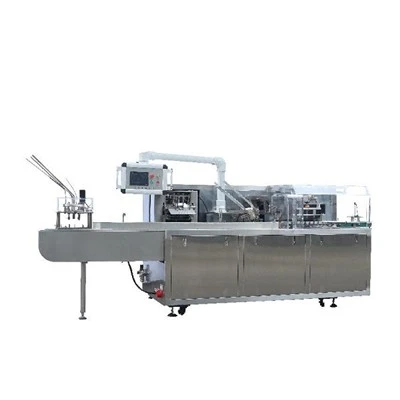
First off, let’s start with the absolute basics before diving into anything complex. I know it sounds silly, but you’d be shocked how many calls we get for things that aren’t actually machine failures. Last week, a small pharmacy client yelled at us because their bagging machine kept feeding empty bags nonstop—turns out, they’d run out of the pre-printed bag rolls and grabbed plain ones that the machine’s barcode scanner couldn’t read. So rule number one: check the obvious stuff first. Is there power to the machine? I’m talking both the main plug and any auxiliary outlets it’s hooked up to—sometimes a loose extension cord is all it is. Next, verify you’re using the right materials for your specific model: wrong bag thickness, wrong label size, or even a pill blend that’s too fine (wait till we talk about that later) can throw everything off. And hey, make sure the emergency stop (E-stop) button isn’t just popped out—those things get nudged all the time when staff are rushing around. Half the time, we remote in, tap the E-stop to get it back, and the machine’s good to go in 10 seconds.
If the basics check out, next up is the error code readout. Most modern drug bagging machines have a little digital screen that pops up a code when something’s off—we’ve standardized our client docs to make these codes as clear as possible, but I know some older models are vague. Let’s walk through the most common ones you’ll see. If it says "bag feed error," that’s probably related to the bag roll or the feeding mechanism. Here’s what to do: turn the machine off completely first, don’t just hit pause. Open the bag compartment, pull out the old roll, check for any torn or stuck bags in the rollers or the sensor slot. Pro tip: when you load a new roll, make sure the leading edge is cut straight—crooked edges make the machine misread and skip feeds. If the sensor is dirty (another huge one), grab a dry microfiber cloth (no harsh cleaners—those can scratch the optical readers) and wipe down the small window where the bags pass. We had a client use a paper towel once and leave lint, which caused a week of intermittent bag feed issues—lesson learned.
Next common error: pill/capsule counter mismatch. This is the big one for pharmacies that are counting controlled substances or prescription meds. If your machine is spitting out 8 pills when the prescription calls for 10, or 12 when it needs 9, stop the run immediately—accuracy is non-negotiable here. First, check the hopper: is there any clumping? Fine powders or small capsules can stick together if the hopper is too warm or you’ve been running it nonstop without a break. Tap the sides gently (don’t bang it hard—you’ll damage the internal sensors) to dislodge clumps. Next, check the vibratory feeder that moves pills to the counter: if it’s set too high or too low, it’ll either dump too many pills or not enough. Most machines have a small knob or digital slider to adjust the vibration speed—start by lowering it slightly, run a test batch of 20 pills, and compare the count. If that doesn’t work, check the optical sensors inside the counter—again, lint or spilled pill dust can cover them, so give them a wipe with that same microfiber cloth. I once had a client run a batch of aspirin, and the fine dust coated the sensors so bad it counted each clump as 2 pills—fixed in 2 minutes with a wipe-down.
Another headache: seal failures. If your bags are leaking pills or opening during transport, that’s a seal issue, and it’s a safety risk for sure. There are three common seal problems here: weak seals, crooked seals, or seals that burn through the bag material. First, check the seal temperature—most machines let you adjust this via the control panel. Thin bags need lower temp, thicker ones need higher. If you’re using generic bags that aren’t matched to your machine, that can cause issues too—we always tell clients to stick with our recommended bag stock, but if you’re sourcing elsewhere, check the material thickness rating. Next, check the seal bar itself: is it dirty? Residue from adhesive or old bag material can prevent a proper bond. Turn the machine off (safety first!), unplug it, and gently wipe the seal bar with a cloth dampened with isopropyl alcohol—let it dry completely before testing. If seals are crooked, the heat bar is probably misaligned. Most machines have two small screws that hold the seal bar in place—loosen them, adjust the bar so it’s level with the bag path, and tighten the screws back up. Do a test seal with a blank bag to make sure it’s straight.
What about intermittent issues? That’s the worst—one run works perfectly, the next day it’s acting finicky, no error code, just random stops or wrong counts. Intermittent problems are usually wiring or sensor-related, and they’re tricky because they only show up sometimes. First, check all the loose connections around the moving parts—like the counter, the bag feed rollers, and the seal bar. Vibration from the machine running can cause wires to work themselves loose over time. Unplug the machine, follow all the wiring diagrams (they’re in the manual, or we can shoot you a digital copy if you lost it), and make sure every plug is seated firmly. If that doesn’t help, it’s probably a dirty or aging sensor. Optical sensors don’t last forever—after 2-3 years of constant use, their sensitivity drops, which causes them to miss pills or misread bags. If you’ve tried cleaning them twice and the issue keeps coming back, it might be time for a sensor replacement. We keep a stock of these on hand for all our regular clients, so we can ship one out same-day if needed.
Now, a few industry-specific tips, since drug bagging machines aren’t like other industrial baggers. First, never run controlled substance prescriptions on a machine that’s not calibrated for that specific product—we have our clients run calibration checks every 1,000 prescriptions, especially for opioids or other high-value meds. A quick calibration: load a test count of 20 pills, run it, and if the machine is off by more than 1, adjust the counter’s sensitivity. Also, humidity is a big factor for drugs—if your pharmacy is in a humid climate, fine powders can clump a lot faster. You might want to add a small dehumidifier near the machine, or run a 5-minute test cycle with an empty hopper at the start of each day to shake out any moisture.
Wait, also—don’t skip regular maintenance. I know everyone’s busy, but a 10-minute check every week saves hours of downtime. At the end of each shift, wipe down the hopper, seal bar, and sensors, remove any stuck debris from the bag rollers, and check that all moving parts are lubricated (only use the lubricant we recommend—other stuff can mess up the sensors). For our clients on our maintenance plan, we send a technician quarterly to do a full deep clean and calibration, but even small weekly checks go a long way.
If you’ve gone through all these steps and the machine’s still acting up, don’t keep trying to tweak it yourself—you can do more damage, especially if it’s a mechanical or electrical issue with the control board. Our team is here for troubleshooting, whether you need a quick remote check over video call or a tech on-site (we service all areas, no matter how small). We don’t believe in charging for basic troubleshooting calls for our clients, because we’d rather keep your production running smoothly than nickel-and-dime you.
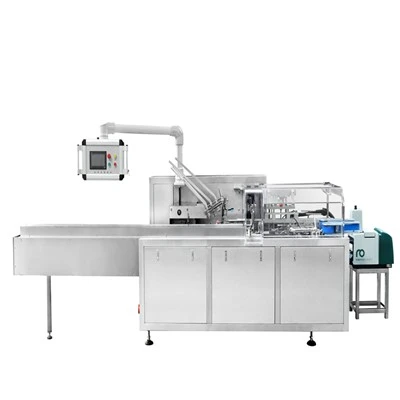
At the end of the day, drug bagging machines are workhorses, but they’re only as good as the care you put into them. Most issues are super simple to fix, you just have to methodically work through them instead of panicking. If you’re in the market for a new machine, or want to upgrade your current setup to cut down on downtime, reach out to our team anytime. We’ll walk through your needs, show you models that fit your pharmacy’s size and prescription volume, and even help you set up a maintenance plan that works for you. No hard sells, no hidden fees—just straight talk from a team that’s been in this game for years.
Daily Product Boxing Machine References
- National Community Pharmacists Association. Best Practices for Pharmacy Automation and Medication Safety, 2022.
- International Society for Pharmaceutical Engineering. Operational Guidelines for Pharmaceutical Packaging Equipment, 2021.
- U.S. Food and Drug Administration. Guidance for Industry: Container Closure Systems for Human Drugs and Biologics, 2020.
Zhejiang Tuoyu Packaging Machinery Co., Ltd.
Zhejiang Tuoyu Packaging Machinery Co., Ltd. is one of the most professional drug bagging machine manufacturers and suppliers in China. With abundant experience, we warmly welcome you to wholesale durable drug bagging machine made in China here from our factory. Good service and quality products are available.
Address: Workshop No.12, No.11-19, Xinbin Road, Binhai New Area, Pingyang County, Wenzhou City
E-mail: 15868789201@163.com
WebSite: https://www.tuoyupack.com/
