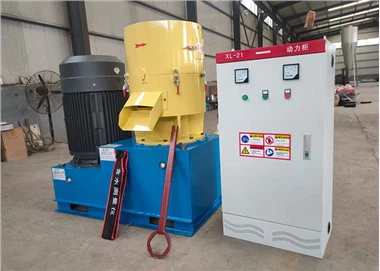
Can a wood chipper be used in a residential area? This is a question that many homeowners and residents often wonder about, especially when dealing with a considerable amount of yard waste such as branches, twigs, and small logs. As a supplier of high – quality wood chippers, I’ve encountered various inquiries from concerned customers regarding the feasibility and practicality of using these machines in a residential setting. In this blog, I’ll delve into the different aspects of using a wood chipper in a residential area, including the advantages, potential challenges, and safety measures. Wood Chipper
Advantages of Using a Wood Chipper in a Residential Area
Yard Waste Management
One of the most significant benefits of having a wood chipper in a residential area is efficient yard waste management. Instead of piling up branches and twigs for municipal collection, or spending hours bagging them up, homeowners can quickly turn large volumes of yard waste into small wood chips. These wood chips can be used for various purposes around the yard, such as mulching flower beds, pathways, or garden areas. Mulching helps to retain soil moisture, suppress weed growth, and improve soil fertility as the chips break down over time. This not only reduces the amount of waste going to landfills but also provides a sustainable and cost – effective solution for maintaining a beautiful garden.
Cost – Savings
In addition to environmental benefits, using a wood chipper can also lead to cost savings in the long run. Hiring a professional tree – removal or yard – waste disposal service can be quite expensive, especially if you have a large amount of woody debris to get rid of regularly. By investing in a wood chipper, homeowners can handle the chipping process themselves, eliminating the need for frequent service calls. Over time, the money saved on disposal services can offset the initial cost of the wood chipper.
DIY Projects
For the more hands – on homeowners, wood chips produced by a chipper can be used in various do – it – yourself (DIY) projects. You can create your own natural compost by mixing the wood chips with other organic materials like leaves and grass clippings. The resulting compost can then be used to fertilize your lawn, garden, or potted plants. Wood chips can also be used as a base for playgrounds, providing a soft and natural surface for children to play on.
Potential Challenges of Using a Wood Chipper in a Residential Area
Noise and Vibration
One of the main concerns when using a wood chipper in a residential area is the noise and vibration it generates. Wood chippers, especially the more powerful models, can be quite loud, which may disturb your neighbors, especially if you live in a densely populated area. Vibration can also cause issues, potentially rattling windows or causing light fixtures to shake. To mitigate these problems, it’s advisable to choose a wood chipper with noise – reducing features and to operate the machine during appropriate hours. Most local municipalities have noise ordinances that regulate the hours during which you can use noisy equipment. Typically, it’s best to avoid using the wood chipper early in the morning or late at night to minimize disruption.
Safety Risks
Wood chippers are powerful machines that come with inherent safety risks. Feeding objects into the chipper incorrectly can result in serious injuries, such as cuts, amputations, or eye injuries. In a residential area, there may be more distractions, and there is a higher chance of children or pets being nearby. To ensure safety, it’s crucial to carefully read and follow the manufacturer’s instructions for operating the wood chipper. Wear appropriate safety gear, including goggles, gloves, and ear protection. Establish a clear safety perimeter around the wood chipper to prevent unauthorized access.
Space Constraints
Residential properties often have limited space compared to commercial or industrial settings. This can make it challenging to maneuver a wood chipper and store the wood chips produced. Some larger wood chippers require a significant amount of space for proper operation and may not be suitable for small yards. Before purchasing a wood chipper, it’s essential to assess the available space in your yard to ensure that you can safely operate and store the machine.
Safety Measures for Using a Wood Chipper in a Residential Area
Training and Familiarization
Before using a wood chipper, it’s vital to thoroughly familiarize yourself with the machine’s operation. Read the user manual carefully and, if possible, watch training videos provided by the manufacturer. If you’re new to using wood chippers, consider taking a training course. Most suppliers offer guidance on how to safely operate their products, and you can also find online resources and tutorials.
Personal Protective Equipment (PPE)
Always wear the appropriate personal protective equipment when operating a wood chipper. Safety goggles or a face shield will protect your eyes from flying debris, while gloves will provide a better grip on the branches and protect your hands from cuts. Ear protection is necessary due to the loud noise generated by the machine. Steel – toed boots are also recommended to protect your feet from falling objects.
Clear the Work Area
Before starting the wood chipper, clear the work area of any obstacles, such as rocks, toys, or other foreign objects. Make sure there are no bystanders, especially children and pets, in the immediate vicinity. Mark the perimeter of the work area with cones or ropes to prevent accidental entry.
Selecting the Right Wood Chipper for a Residential Area
Power and Capacity
For residential use, you don’t typically need a heavy – duty industrial – grade wood chipper. Consider a model with an appropriate power and capacity for the amount of yard waste you generate. Electric wood chippers are generally quieter and more suitable for smaller yards with less substantial debris. Gas – powered wood chippers, on the other hand, offer more power and can handle larger branches but are usually louder.
Ease of Use and Maintenance
Choose a wood chipper that is easy to operate and maintain. Features such as a simple feeding mechanism and easy – access service points can make the machine more user – friendly. Look for models that come with a warranty and reliable customer support from the supplier.
Safety Features
Safety should be a top priority when selecting a wood chipper. Look for models with safety features such as a reverse function, which can help clear jams safely, and a hopper guard to prevent objects from being accidentally fed into the chipper.
Conclusion

In conclusion, a wood chipper can be used in a residential area, offering numerous benefits such as efficient yard waste management, cost – savings, and opportunities for DIY projects. However, it’s essential to be aware of the potential challenges, including noise, safety risks, and space constraints. By taking appropriate safety measures, choosing the right wood chipper, and being considerate of your neighbors, you can enjoy the advantages of using a wood chipper in your residential property.
Wood Chipper If you’re interested in purchasing a wood chipper for your residential needs, I encourage you to reach out to me to discuss your specific requirements. I’m committed to providing high – quality wood chippers and professional advice to help you make the best decision for your home and garden. Whether you need a small electric model or a more powerful gas – powered one, I can assist you in finding the perfect wood chipper for your situation. Don’t hesitate to contact me to start our procurement negotiation.
References
- "The Complete Guide to Wood Chippers", Published by a well – known gardening magazine
- Manufacturer’s user manuals of different wood chipper models
- Local municipal noise ordinances and regulations
Zhengzhou Fanda Machinery Co., Ltd.
Zhengzhou Fanda Machinery Co., Ltd. is one of the most professional wood chipper manufacturers and suppliers in China. Feel free to buy cheap wood chipper for sale from our factory and check the price with us.
Address: Zhisi Road, Zhongyuan District, Zhengzhou, Henan, China.
E-mail: vincenthan@fandamachinery.com
WebSite: https://www.fandapelletmill.com/
