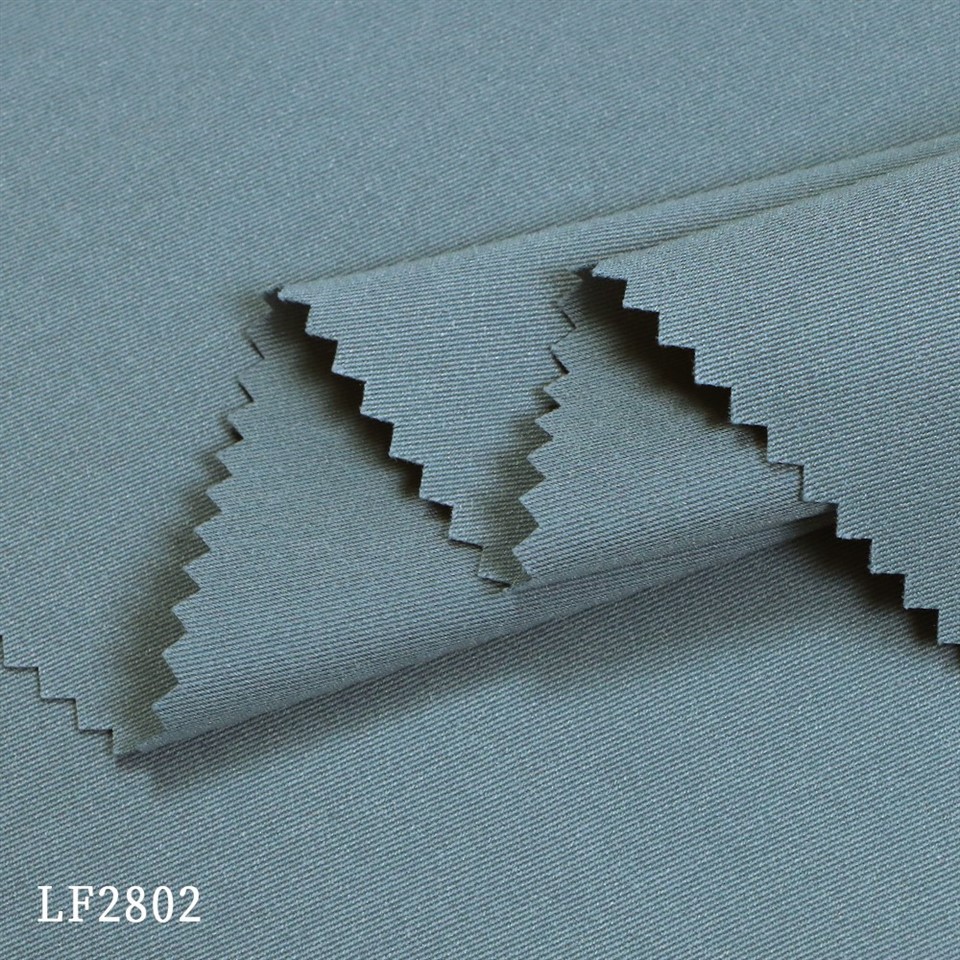
As a seasoned supplier of broken twill fabric, I’ve witnessed firsthand the unique charm and versatility this textile brings to the world of fashion and manufacturing. Broken twill fabric, with its distinctive diagonal pattern that breaks and changes direction, offers a rich texture and visual appeal that is highly sought after. However, like any material, it is not without its potential defects. In this blog, I’ll delve into the common defects found in broken twill fabric, sharing insights based on my years of experience in the industry. Broken Twill
1. Uneven Twill Lines
One of the most noticeable defects in broken twill fabric is uneven twill lines. The twill pattern in broken twill fabric is created by the interlacing of warp and weft yarns at a specific angle. When these lines are not consistent, it can result in an irregular appearance on the fabric surface.
Causes:
- Inconsistent Yarn Tension: During the weaving process, if the tension of the warp or weft yarns is not uniform, it can cause the twill lines to appear uneven. For example, if the warp yarns are too loose in some areas and too tight in others, the twill pattern will be disrupted.
- Weaving Machine Issues: Problems with the weaving machine, such as misaligned heddles or faulty shuttle movement, can also lead to uneven twill lines. These mechanical issues can cause the yarns to be placed incorrectly, resulting in an inconsistent pattern.
Impact:
- Aesthetically Unappealing: Uneven twill lines can make the fabric look less professional and of lower quality. It can be particularly noticeable in garments or products where the twill pattern is a prominent feature.
- Fit and Drape Problems: In some cases, uneven twill lines can affect the fit and drape of the fabric. If the pattern is not consistent, the fabric may not hang or fold correctly, leading to issues in the final product.
2. Color Variation
Color variation is another common defect in broken twill fabric. This can manifest as differences in color intensity, shade, or hue across the fabric surface.
Causes:
- Dyeing Process: The dyeing process is a critical step in creating colored broken twill fabric. If the dye is not evenly applied or if the dyeing conditions are not consistent, it can result in color variation. For example, differences in temperature, pH levels, or dye concentration can cause some areas of the fabric to absorb more dye than others.
- Yarn Variation: The quality and origin of the yarns used in the fabric can also contribute to color variation. Different batches of yarn may have slightly different dyeing properties, which can lead to color differences when the fabric is woven.
Impact:
- Quality Perception: Color variation can significantly affect the perceived quality of the fabric. In high – end applications, such as luxury fashion or interior design, even minor color differences can be unacceptable.
- Matching Issues: When using broken twill fabric in a project that requires color matching, such as creating a set of curtains or a coordinated outfit, color variation can make it difficult to achieve a consistent look.
3. Slubs and Neps
Slubs and neps are small, irregular bumps or knots that can appear on the surface of broken twill fabric.
Causes:
- Yarn Quality: Low – quality yarns often contain slubs and neps. These can be caused by impurities in the raw fiber, such as bits of plant matter or uneven spinning during the yarn – making process.
- Weaving Process: During weaving, the friction between the yarns and the weaving machine can sometimes cause the yarns to bunch up and form slubs. Additionally, if the yarn tension is not properly controlled, it can lead to the formation of neps.
Impact:
- Aesthetic Defects: Slubs and neps can be visually unappealing, especially in fabrics that are intended to have a smooth and uniform appearance. They can make the fabric look rough or unfinished.
- Fabric Strength: In some cases, slubs and neps can weaken the fabric. The irregularities in the yarn structure can create stress points, making the fabric more prone to tearing or fraying.
4. Hole and Tear
Holes and tears in broken twill fabric are serious defects that can render the fabric unusable for many applications.
Causes:
- Weaving Machine Malfunction: A malfunctioning weaving machine can cause the yarns to break or become damaged during the weaving process. This can result in holes or tears in the fabric.
- Handling and Storage: Improper handling and storage of the fabric can also lead to holes and tears. Sharp objects, rough surfaces, or excessive tension during transportation or storage can cause physical damage to the fabric.
Impact:
- Product Loss: Holes and tears make the fabric unsuitable for most end – uses. In the case of garments, it can lead to a complete loss of the product, as it cannot be sold in a damaged condition.
- Cost Implications: Repairing or replacing damaged fabric can be costly, both in terms of materials and labor. It can also cause delays in production schedules.
5. Poor Color Fastness
Color fastness refers to the ability of a fabric to retain its color when exposed to various factors such as washing, light, or rubbing. Poor color fastness is a common defect in broken twill fabric.
Causes:
- Low – Quality Dyes: Using low – quality dyes in the dyeing process can result in poor color fastness. These dyes may not bond well with the fabric fibers, causing the color to fade or bleed easily.
- Inadequate Dyeing Process: If the dyeing process is not carried out correctly, such as insufficient dye penetration or improper fixation, it can also lead to poor color fastness.
Impact:
- Consumer Dissatisfaction: Fabrics with poor color fastness can quickly lose their color, which can lead to consumer dissatisfaction. In the case of garments, the color may fade after a few washes, making the product look old and worn.
- Brand Reputation: For manufacturers and suppliers, poor color fastness can damage their brand reputation. Customers are less likely to purchase products from a brand that is known for producing fabrics with color – fading issues.
How We Address These Defects
As a supplier of broken twill fabric, we take several steps to minimize these common defects.
- Quality Control: We have a strict quality control system in place at every stage of the production process. From selecting high – quality yarns to monitoring the weaving and dyeing processes, we ensure that the fabric meets our high standards.
- Advanced Technology: We invest in advanced weaving and dyeing technology to improve the consistency and quality of our products. Our state – of – the – art machines are regularly maintained and calibrated to ensure accurate and uniform production.
- Skilled Workforce: Our team of skilled workers is trained to identify and address potential defects early in the production process. They have the expertise to make adjustments and corrections to ensure that the final product is of the highest quality.
Conclusion
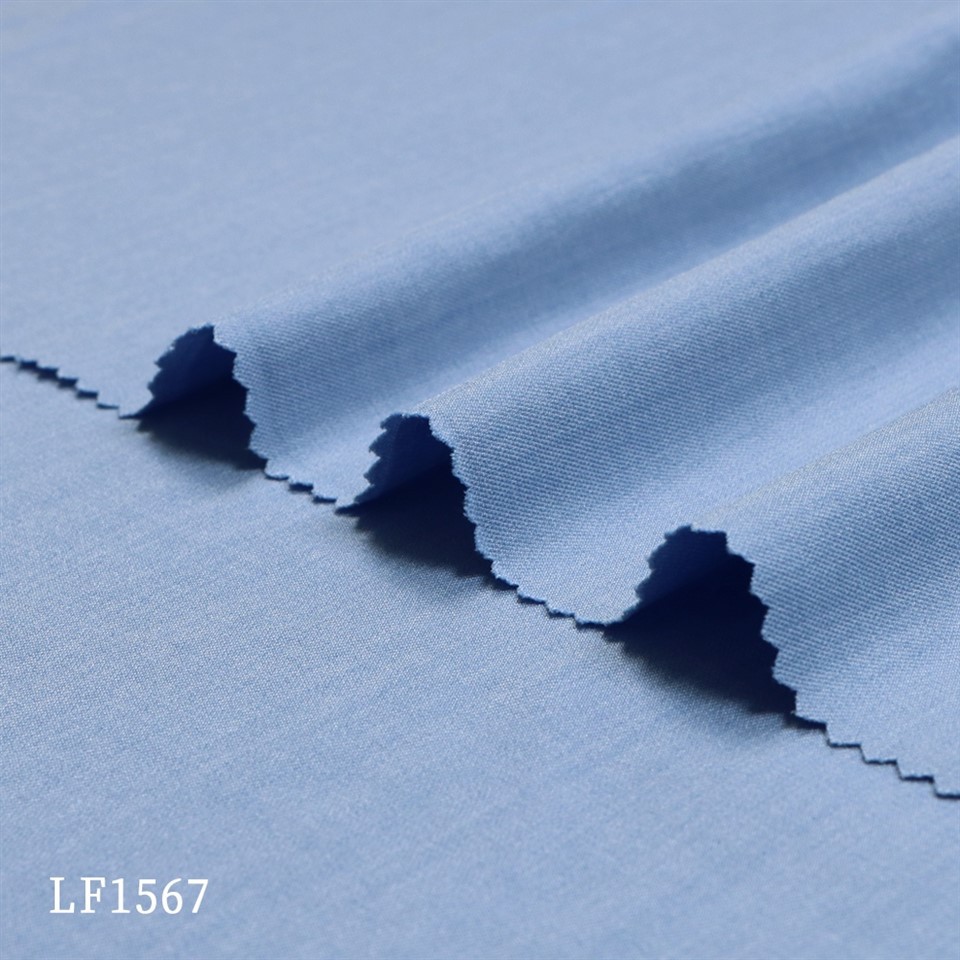
While broken twill fabric offers many advantages in terms of its unique appearance and texture, it is important to be aware of the common defects that can occur. By understanding the causes and impacts of these defects, both suppliers and customers can take steps to ensure that the fabric meets the required standards.
Polyester Stretch Fabric If you are in the market for high – quality broken twill fabric and want to discuss your specific requirements, I encourage you to reach out to us. We are committed to providing you with the best products and services, and we look forward to the opportunity to work with you.
References
- Textile Technology Handbook, Third Edition, by A. R. Horrocks and S. C. Anand
- Handbook of Textile Fibre Structure, Volume 1: Natural Fibres, by R. H. Blackburn
- Textile Dyeing and Finishing, by P. A. Townsend
Shaoxing Huichao Textile Co., Ltd.
As one of the most professional broken twill manufacturers and suppliers in China, we offer a wide range of products with superior quality. We warmly welcome you to wholesale bulk broken twill in stock here from our factory. If you have any enquiry about cooperation, please feel free to email us.
Address: Shenyue International Build ing, Unit 1603-1605, Keqiao District, Shaoxing City, Zhejiang Province, China
E-mail: darrenzhong@huichaotextile.com
WebSite: https://www.huichaotextile.com/
