Maintaining a socket box is crucial for ensuring its longevity, safety, and optimal performance. As a socket box supplier, I’ve witnessed firsthand the impact of proper maintenance on the functionality and lifespan of these essential electrical components. In this blog post, I’ll share some valuable insights and practical tips on how to maintain a socket box effectively. Socket Box

Understanding the Importance of Socket Box Maintenance
Socket boxes are the interface between electrical devices and the power supply. They house electrical connections, protect wires from damage, and provide a safe and convenient way to access electricity. Over time, however, socket boxes can be exposed to various factors that can affect their performance and safety, such as dust, moisture, heat, and mechanical stress.
Regular maintenance helps to prevent these issues by keeping the socket box clean, dry, and in good working condition. It also allows you to identify and address potential problems early on, reducing the risk of electrical failures, fires, and other safety hazards.
Regular Inspection
The first step in maintaining a socket box is to conduct regular inspections. This should be done at least once a year, or more frequently if the socket box is located in a harsh environment or experiences heavy use.
During the inspection, check for the following:
- Physical Damage: Look for cracks, dents, or other signs of physical damage to the socket box. If you notice any damage, replace the socket box immediately to prevent electrical hazards.
- Loose Connections: Check the electrical connections inside the socket box to ensure they are tight and secure. Loose connections can cause overheating, arcing, and other electrical problems.
- Corrosion: Look for signs of corrosion on the electrical contacts and terminals. Corrosion can increase resistance and cause electrical failures. If you notice any corrosion, clean the contacts and terminals with a wire brush or a specialized electrical contact cleaner.
- Dust and Debris: Remove any dust, dirt, or debris from the socket box using a soft brush or compressed air. Dust and debris can accumulate inside the socket box and cause overheating or short circuits.
- Moisture: Check for signs of moisture inside the socket box. Moisture can cause corrosion, short circuits, and other electrical problems. If you notice any moisture, identify and fix the source of the problem, and dry the socket box thoroughly.
Cleaning the Socket Box
Cleaning the socket box is an important part of maintenance. It helps to remove dust, dirt, and debris that can accumulate inside the box and cause electrical problems.
To clean the socket box, follow these steps:
- Turn off the Power: Before cleaning the socket box, turn off the power to the circuit at the breaker panel. This will prevent electrical shock and other safety hazards.
- Remove the Cover: Use a screwdriver to remove the cover of the socket box. Be careful not to damage the cover or the electrical connections inside the box.
- Clean the Interior: Use a soft brush or compressed air to remove any dust, dirt, or debris from the interior of the socket box. Pay special attention to the electrical contacts and terminals.
- Clean the Cover: Use a damp cloth to clean the cover of the socket box. Be careful not to get the cover wet, as this can cause electrical problems.
- Reinstall the Cover: Once the interior and cover of the socket box are clean, reinstall the cover using the screwdriver. Make sure the cover is securely fastened.
Protecting the Socket Box from Environmental Factors
Socket boxes are often exposed to various environmental factors that can affect their performance and lifespan. To protect the socket box from these factors, consider the following:
- Moisture: If the socket box is located in a damp or wet environment, use a waterproof socket box or install a moisture barrier around the box. This will help to prevent moisture from entering the box and causing electrical problems.
- Dust and Debris: If the socket box is located in a dusty or dirty environment, use a dust cover or install a filter to prevent dust and debris from entering the box. This will help to keep the box clean and prevent electrical problems.
- Heat: If the socket box is located in a hot environment, use a heat-resistant socket box or install a cooling system to prevent the box from overheating. This will help to extend the lifespan of the box and prevent electrical problems.
- Mechanical Stress: If the socket box is located in an area where it is likely to be subjected to mechanical stress, such as a high-traffic area or a construction site, use a sturdy socket box or install a protective enclosure around the box. This will help to prevent damage to the box and ensure its safety.
Testing the Socket Box
Testing the socket box is an important part of maintenance. It helps to ensure that the box is functioning properly and that there are no electrical problems.
To test the socket box, follow these steps:
- Turn on the Power: After cleaning and inspecting the socket box, turn on the power to the circuit at the breaker panel.
- Check for Voltage: Use a voltage tester to check for voltage at the electrical contacts and terminals inside the socket box. Make sure the voltage is within the acceptable range.
- Test the Outlets: Plug a lamp or other electrical device into each outlet in the socket box to test its functionality. Make sure the device turns on and operates normally.
- Check for Grounding: Use a grounding tester to check for proper grounding at the electrical contacts and terminals inside the socket box. Make sure the grounding is secure and that there are no electrical problems.
Troubleshooting Common Socket Box Problems
Despite regular maintenance, socket boxes can sometimes experience problems. Here are some common socket box problems and how to troubleshoot them:
- No Power: If there is no power at the socket box, check the breaker panel to make sure the circuit is not tripped. If the circuit is tripped, reset the breaker and test the socket box again. If the circuit continues to trip, there may be a short circuit or other electrical problem in the socket box or the wiring. In this case, contact a licensed electrician to diagnose and repair the problem.
- Loose Connections: If the electrical connections inside the socket box are loose, use a screwdriver to tighten them. Make sure the connections are secure and that there are no loose wires or terminals.
- Corrosion: If the electrical contacts and terminals inside the socket box are corroded, clean them with a wire brush or a specialized electrical contact cleaner. Make sure the contacts and terminals are clean and free of corrosion.
- Overheating: If the socket box is overheating, turn off the power to the circuit at the breaker panel and allow the box to cool down. Check for loose connections, overloaded circuits, or other electrical problems that may be causing the overheating. If the problem persists, contact a licensed electrician to diagnose and repair the problem.
Conclusion
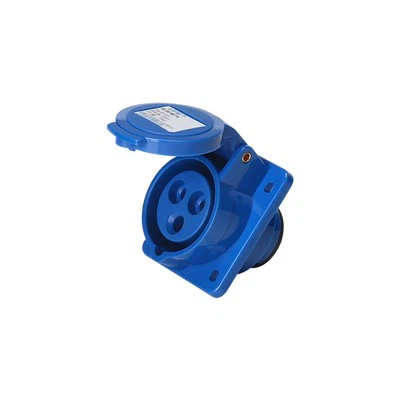
Maintaining a socket box is essential for ensuring its longevity, safety, and optimal performance. By following the tips and guidelines outlined in this blog post, you can keep your socket box in good working condition and prevent electrical problems.
Industrial Connector If you have any questions or need further assistance with socket box maintenance, please don’t hesitate to contact us. As a leading socket box supplier, we have the expertise and experience to provide you with the best solutions for your electrical needs. We look forward to working with you and helping you maintain your socket boxes for years to come.
References
- National Electrical Code (NEC)
- Electrical Safety Foundation International (ESFI)
- Institute of Electrical and Electronics Engineers (IEEE)
Zhejiang Hefeng Electric Co., Ltd.
Zhejiang Hefeng Electric Co., Ltd. is one of the most professional socket box manufacturers and suppliers in China, featured by quality products and low price. Please rest assured to buy durable socket box made in China here from our factory. Also, OEM service is available.
Address: Wenzhou Daqiao Industrail Park, Beibaixiang Town, Yueqing City, Zhejiang Province, China
E-mail: hefengplug@chinahfe.com
WebSite: https://www.hfcee.com/
