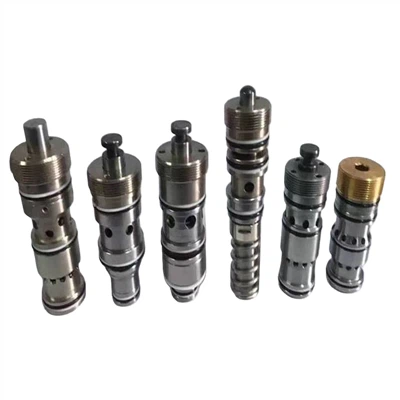
When it comes to shipping power equipment parts, as a supplier, I understand that choosing the right shipping option is crucial for both my business and my customers. The nature of power equipment parts, which can vary in size, weight, and fragility, necessitates a careful consideration of various shipping methods. In this blog, I’ll explore the different shipping options available for power equipment parts and discuss their pros and cons. Power Equipment Parts
1. Air Freight
Air freight is a popular choice for shipping power equipment parts, especially when time is of the essence. It offers several advantages that make it an attractive option for both suppliers and customers.
Advantages
- Speed: One of the most significant benefits of air freight is its speed. Airplanes can transport goods across the globe in a matter of hours or days, depending on the destination. This is particularly important for urgent orders or when customers need to minimize downtime due to equipment failure.
- Reliability: Airlines generally have strict schedules, which means that shipments are more likely to arrive on time. This reliability can be crucial for businesses that rely on timely delivery of parts to keep their operations running smoothly.
- Security: Airports have advanced security measures in place, which helps to ensure the safety of the shipped goods. This is especially important for high – value power equipment parts.
Disadvantages
- Cost: Air freight is typically more expensive than other shipping methods. The high cost is due to factors such as fuel prices, airport fees, and the limited cargo capacity of airplanes. This can be a significant drawback for customers on a tight budget.
- Weight and Size Restrictions: Airlines have strict weight and size limitations for cargo. Large or heavy power equipment parts may not be suitable for air freight, or they may incur additional fees if they exceed the allowable limits.
2. Sea Freight
Sea freight is another common option for shipping power equipment parts, especially for large and heavy items.
Advantages
- Cost – Effectiveness: Sea freight is generally much cheaper than air freight, especially for large shipments. This makes it a more economical choice for customers who are not in a hurry to receive their parts.
- Capacity: Ships have a much larger cargo capacity than airplanes, which means that they can accommodate large and heavy power equipment parts. This is ideal for shipping bulky items such as generators or large engine components.
- Environmental Friendliness: Compared to air freight, sea freight has a lower carbon footprint. This can be an important consideration for businesses that are committed to environmental sustainability.
Disadvantages
- Long Transit Times: Sea freight is much slower than air freight. Depending on the destination, it can take weeks or even months for a shipment to arrive. This can be a problem for customers who need their parts quickly.
- Risk of Damage: During long – distance sea voyages, there is a higher risk of damage to the shipped goods due to factors such as rough seas, handling at ports, and exposure to the elements.
3. Road Freight
Road freight is a flexible option for shipping power equipment parts, especially for domestic or regional deliveries.
Advantages
- Flexibility: Road freight offers a high degree of flexibility in terms of pick – up and delivery locations. Trucks can reach almost any destination, including areas that are not easily accessible by air or sea. This makes it a convenient option for customers who need parts delivered directly to their facilities.
- Door – to – Door Service: Road freight companies often provide door – to – door service, which means that the parts are picked up from the supplier’s location and delivered directly to the customer’s doorstep. This eliminates the need for additional handling and transportation at intermediate points.
- Lower Minimum Order Requirements: Road freight generally has lower minimum order requirements compared to air or sea freight. This makes it a more accessible option for small – scale customers.
Disadvantages
- Limited Range: Road freight is most suitable for short – to – medium – distance deliveries. For long – distance or international shipments, it may not be the most efficient option.
- Traffic and Weather Conditions: Road transportation is subject to traffic congestion and adverse weather conditions, which can cause delays in delivery.
4. Rail Freight
Rail freight is a reliable option for shipping power equipment parts, especially for large – scale and long – distance shipments within a country or region.
Advantages
- Cost – Efficiency: Rail freight is often more cost – effective than road freight for long – distance shipments. Trains can carry large volumes of cargo at a relatively low cost per unit.
- Reliability: Railways generally have a more predictable schedule compared to road transportation. This means that shipments are less likely to be affected by traffic or weather conditions.
- Capacity: Similar to sea freight, trains have a large cargo capacity, which makes them suitable for shipping large and heavy power equipment parts.
Disadvantages
- Limited Accessibility: Rail networks may not cover all areas, which can limit the pick – up and delivery options. In some cases, additional road transportation may be required to move the parts to and from the rail terminals.
- Longer Transit Times: Although rail freight is generally faster than sea freight, it may still take longer than air or road freight for the parts to reach their destination.
5. Courier Services
Courier services are a convenient option for shipping small and lightweight power equipment parts.
Advantages
- Convenience: Courier services offer door – to – door delivery and often provide tracking information, which allows customers to monitor the progress of their shipments.
- Speed: Many courier companies offer express delivery options, which can ensure that the parts are delivered quickly.
- Customer Service: Courier services typically have a high level of customer service, which can be helpful in case of any issues or inquiries.
Disadvantages
- Cost: Courier services can be relatively expensive, especially for larger or heavier shipments.
- Size and Weight Restrictions: Similar to air freight, courier services have size and weight limitations, which may not be suitable for all power equipment parts.
Choosing the Right Shipping Option
When choosing a shipping option for power equipment parts, several factors need to be considered:
- Urgency: If the parts are needed urgently, air freight or courier services may be the best options. For non – urgent orders, sea freight or rail freight can be more cost – effective.
- Size and Weight: Large and heavy parts are better suited for sea freight, rail freight, or road freight, while small and lightweight parts can be shipped via air freight or courier services.
- Cost: The budget of the customer is an important consideration. If cost is a major concern, sea freight or road freight may be the preferred options.
- Destination: The location of the customer also plays a role in choosing the shipping method. For international shipments, air or sea freight may be necessary, while domestic or regional deliveries can be made via road or rail freight.

As a power equipment parts supplier, I am committed to providing my customers with the best shipping solutions. I work closely with reliable shipping partners to ensure that the parts are delivered safely and on time. Whether you need a small part delivered quickly or a large shipment transported cost – effectively, I can help you choose the most suitable shipping option.
Construction Machinery Parts If you are interested in purchasing power equipment parts from us, I encourage you to contact me to discuss your specific requirements. We can work together to determine the best shipping method for your order and ensure a smooth and efficient purchasing process.
References
- International Air Transport Association (IATA) guidelines on air freight.
- International Maritime Organization (IMO) regulations for sea freight.
- Federal Motor Carrier Safety Administration (FMCSA) rules for road freight.
- Association of American Railroads (AAR) standards for rail freight.
- Major courier service providers’ terms and conditions.
Hubei Kangding Machinery Equipment Co., Ltd.
We’re well-known as one of the leading power equipment parts manufacturers and suppliers in China, specialized in providing high quality customized products. Please feel free to buy advanced power equipment parts for sale here from our factory. For pricelist, contact us now.
Address: Qianchang Industrial Park, Jingshan County, Jingmen City, Hubei Province
E-mail: 339248585@qq.com
WebSite: https://www.cnkangding.com/
