Let’s cut to the chase—if you’ve ever stepped into an optometrist’s office or spent 10 minutes scrolling for new glasses, you’ve stared at two big categories: rimless and full-rim. As someone who’s been in the rimless glasses game for a minute (we supply them, fyi, so I’ve tested every angle on this), I’ve heard way too many people mix these up, pick the wrong ones, and end up returning them because they pinch, slide, or just look… off. Today, we’re breaking this down like we’re chatting over coffee—no stuffy jargon, just real talk that makes sense for anyone shopping for glasses. Rimless Glasses
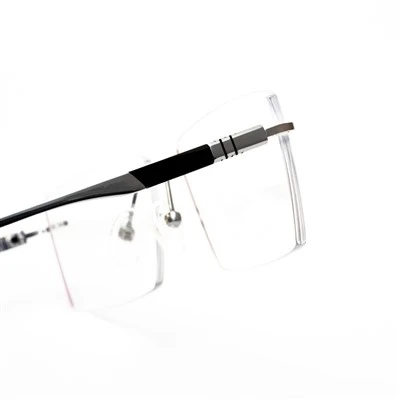
First, let’s get the basics out of the way, plain and simple. Full-rim glasses are the ones with a solid frame that wraps all the way around each lens. Think of the basic plastic or metal frames you’ve seen a million times at drugstores—those are full-rim. They’re like the hoodies of glasses: reliable, a little bulky, and they’ve been around forever. Rimless? Well, they’re the opposite—no frame around the lenses at all. The lenses are literally drilled and attached directly to the temple arms and bridge, so all you see is the clear lens and thin hardware. They’re the slim, underrated sneakers of the glasses world—low-key, sleek, and they make your lenses feel like they’re basically not there. But here’s where it gets way more complicated than that surface-level look, and trust me, as a rimless supplier, I’ve walked customers through this a hundred times so you don’t make a mistake.
Let’s start with durability, because that’s the first thing people ask when they’re choosing a pair. Full-rim glasses are tanks. That frame around the lens is like a shield—if you drop them, step on them (don’t do that, but we’ve all been there), or even just bump them on a counter, the rim takes the hit, not the lens. The plastic ones? They’re basically unbreakable for normal daily use—you can bend them a little, and they pop right back. Metal full-rim? Same deal, tough enough to survive being tossed in a backpack with a laptop and a water bottle. Now, rimless? They’re delicate. No rim to protect the lens, so if you drop them straight on the lens, you’re gonna crack it 9 times out of 10. Also, that tiny hardware holding the lenses in? Those little screws? They can wiggle loose over time, especially if you’re taking them on and off a lot. I’ve had customers tell me their rimless frames broke after 6 months, not because they were faulty, but because they were tossing them around like keys. That said—modern rimless lenses are actually really strong. They’re polycarbonate or CR-39, same as most full-rim lenses, so the material is durable, the frame just has zero buffer. If you’re gentle, rimless lasts just as long. But if you’re clumsy (no judgment), full-rim is the way to go.
Next up: fit and comfort, which is huge because the worst feeling is glasses that slide down your nose or dig into your temples. Full-rim frames come in every size and shape imaginable—different bridge widths, temple lengths, lens heights. If you’ve got a low nose bridge, you can even get full-rim adjustable nose pads that hook exactly where you need them. They distribute the weight of the glasses evenly around the whole frame, so even thick lenses (like if you have high prescription) won’t feel super heavy. Wait—speaking of high prescriptions, full-rim actually hides that better? No, wait, let’s be real—if you have super thick lenses, full-rim frames cover the edges of the lens, so people don’t see the thickness as much. Rimless? The lens edges are exposed, so if you have a -8 or higher prescription, those edges will stand out like a sore thumb. That’s why a lot of people with strong prescriptions stick to full-rim, unless they’re okay with the “bug eye” look. But comfort-wise, full-rim can be a bit clunky. The frame adds bulk, so if you’re someone who hates feeling like you’re wearing something on your face, full-rim might feel heavy after 8 hours. Rimless, on the other hand, is practically weightless. There’s no extra frame material, so it sits right on your nose without digging in, and the temples are thin so they don’t press into the sides of your head. I’ve had customers with sensitive skin or migraines tell me rimless is the only pair they can wear all day without a headache—game changer. Just keep that high prescription thing in mind, though.
Style, obviously, is the big one that everyone cares about. Full-rim is versatile—you can dress it up, dress it down, it works for every vibe. A thick black plastic full-rim looks great with a blazer for work; a thin metal full-rim works for a casual weekend. It’s classic, so it never goes out of style, which is why it’s been the go-to for decades. But if you want to make a statement? Or just look like your glasses are an extension of your face, not something you put on? Rimless is the move. Rimless makes your face look bigger, your features more defined, because there’s no frame blocking the edges. It’s sleek, modern, minimal—perfect for people who hate flashy accessories. A lot of people think rimless is too boring, but if you pick a pair with colored temple arms or different hardware (gold, silver, black), it’s actually subtle but unique. I’ve seen customers pair rimless glasses with everything from wedding suits to hoodies, and it works every time. The only style downside? If you want something bold, rimless can feel a little underwhelming. A big, chunky full-rim is hard to miss; a big, chunky rimless… is just a big lens. So style really comes down to what you’re going for—classic vs. low-key cool.
Then there’s care and maintenance, which is something no one talks about until they’re stuck with scratched lenses or loose screws. Full-rim is easy to clean. You can just wipe the whole frame with a lens cloth, no weird spots, because the frame is solid. Cleaning the lenses is the same—you don’t have to worry about missing edges or small crevices. But if the frame breaks? Most full-rim frames can be repaired. A good optician can re-glue a plastic rim or tighten metal parts, so you don’t have to buy a new pair every time. Rimless? Maintenance is a two-way street. On one hand, there’s less frame to polish, so less upkeep overall. On the other hand, those tiny screws? They need tightening every few months, especially if you wear them daily. If you drop them, you can’t just fix the frame—you’ve got to re-drill the lens or replace the hardware, which is more expensive. Also, rimless lenses get scratched easier along the edges, because there’s no frame to protect them, so you have to be way more careful when setting them down. I always tell rimless customers to keep them in their case when not wearing them, not tossed in a bag. Full-rim can handle being tossed around a little more, no big deal.
Wait, let’s not forget prescription flexibility, because that’s a make-or-break for most people. Full-rim works with literally every prescription, even the super high ones we talked about. Opticians can adjust the frame to fit thick or thin lenses, and the rim covers the lens edges, so it looks normal. Rimless? It works with most prescriptions, but only up to a point. If you have a really high cylindrical power (like for astigmatism) or really thick central lenses, rimless might not look good, because the lens has to be thin enough to drill holes in it without cracking. A lot of rimless frames have minimum lens thickness requirements, so if your lenses are too thick, they won’t work. That’s a big one—when I have a customer with a high prescription reach out for rimless glasses, I always give them a heads up about that, instead of wasting their time.
Now, let’s talk who each is for, because that’s the real takeaway here. Full-rim glasses are for: people who are clumsy (like me, I’ve dropped three pairs this year), people with high prescriptions, people who want classic, versatile style, people who don’t want to fuss with tiny screws or delicate lenses. Rimless glasses are for: people who want lightweight, all-day comfort, people who love a modern, minimal look, people with medium prescriptions, people who hate feeling like glasses are a big accessory.
As someone who supplies rimless glasses, I obviously have a dog in this fight, but I’m not gonna lie—both have their place. I sell way more full-rim for everyday use, but rimless is my top seller for people who work in offices or care about their style. The mistake people make is assuming one is always better, when it’s just about what fits their lifestyle.
If you’re still stuck, here’s a quick question to ask yourself: Do you care more about durability and classic style, or weight and sleekness? If durability and versatility, go full-rim. If lightweight, low-key style, and you’re gentle with your stuff, go rimless. And if you’re still confused, that’s what we’re here for—we don’t push one over the other, we help you pick what works for you.

At the end of the day, glasses aren’t just a tool to see—they’re a part of your look, and you should pick something that makes you feel good, not just what the internet says is “best”. Whether you’re team full-rim or team rimless, we’ve got options that fit every need, from budget to style to prescription. If you’re ready to shop or have questions, reach out to us—we’re here to help you find the perfect pair.
Rimless Glasses References:
- American Optometric Association. (2023). Eyeglass Frame Selection Guide. AOA.org
- Vision Council. (2022). Frame Durability and Maintenance for Eyewear. TheVisionCouncil.com
- International Journal of Optometry. (2021). Prescription Considerations for Rimless Eyewear. IJOonline.org
- Statista. (2023). Global Eyeglass Frame Market: Full-Rim vs. Rimless Segmentation. Statista.com
Yuhuan Longsen Glasses Co., Ltd.
As one of the most professional rimless glasses manufacturers and suppliers in China, we offer a wide range of products with superior quality. Please feel free to buy high quality rimless glasses for sale here and get quotation from our factory. We also accept customized orders.
Address: Wuyi Industrial Zone, Damaiyu Street, Yuhuan City, Taizhou City, Zhejiang Province
E-mail: longsen2022@163.com
WebSite: https://www.longsenglasses.com/
