Hey there, if you’ve ever dug into supplement or pharmaceutical packaging, you’ve probably seen pullulan capsules pop up more and more lately. And if you’re anything like the folks I talk to every week—retail buyers, brand owners, even regular folks just trying to make greener choices—you’ve probably wondered: are pullulan capsules actually biodegradable? As a pullulan capsules supplier, I get this question nonstop, and honestly? It’s one of those topics that sounds straightforward until you dig a little deeper, so I wanted to break it down the way I do with every client who hits my inbox. Pullulan Capsules

First off, let’s cut through the jargon real quick. What even is pullulan? It’s a polysaccharide—meaning it’s made from sugar, basically—produced by a specific yeast-like fungus called Aureobasidium pullulans. Think of it like a super long chain of glucose molecules stuck together, kind of like how starch is structured but with a slightly different twist. And unlike hard-shell gelatin capsules (which are made from animal collagen, fyi), pullulan is plant-derived—usually from things like tapioca or corn, so it’s vegan, which is a huge bonus for a lot of brands these days. But back to the big question: biodegradable. I see a lot of online takes that say “yes!” and a few that say “no, not really,” so let’s get the facts straight, no clickbait.
Here’s the science part that matters: biodegradable materials break down into natural, harmless stuff—CO2, water, biomass, minerals—through the action of microbes like bacteria and fungi, right? The key here is two things: the material has to be able to be broken down by those microbes, and the conditions (like temperature, moisture, oxygen, and the right microbes being present) have to be there to make that happen. That’s where a lot of confusion around pullulan comes in.
First, let’s talk about what studies actually say. I’ve worked with several third-party labs over the years because, as a supplier, I don’t want to sell something that isn’t what I claim. The ASTM D6400 standard is the big one for compostable materials in the US, and it’s actually a huge benchmark here. From the tests I’ve run, pullulan capsules hit the requirements for industrial composting—meaning they break down at least 90% within 180 days under standard industrial compost conditions (which are, for anyone who doesn’t know, like 50–60°C, high moisture, and a lot of active microbes). That’s way faster than plastic, obviously. But wait, what about home compost? That’s where things get a little less cut and dry. A lot of people have home compost piles that don’t hit the consistent, warm temperatures industrial compost does. Some lab tests show that pullulan might take a little longer there—maybe a year or more, depending on the pile—but it does still break down, right? It’s not going to stick around for decades like a plastic capsule would.
But hold on—let’s compare that to the other options, because no one is just choosing between “biodegradable” and “not.” Gelatin capsules, which have been around forever, are technically biodegradable too, right? They’re animal protein, so microbes can break them down. But they have their own issues—they’re not vegan, they can be hard to digest for some people, and they don’t hold up as well to moisture in supplements like omega-3s or probiotics. Hydroxypropyl methylcellulose (HPMC) capsules, the other common plant-based option, are often marketed as “vegan and compostable,” but a lot of the ones I’ve tested don’t break down nearly as fast as pullulan. In fact, some HPMC capsules can take years to break down in industrial compost, because their structure is more rigid and less accessible to microbes. That’s not a knock on HPMC, it’s just a difference in the material.
Now, here’s the part I wish more people talked about: what about if pullulan capsules end up in a landfill? That’s the scenario most of us don’t want to think about, but realistically, a lot of packaging ends up there. Landfills are usually anaerobic—meaning no oxygen, so microbes that break down organic matter don’t work as well. So pullulan in a landfill might break down slower, maybe a few years, but even then, it’s still organic matter, not plastic. It’s not going to leach microplastics, which is the big scary thing with conventional plastic capsules. I’ve had clients ask me, “What if someone throws a pullulan capsule in the ocean?” and that’s a valid question too. From what I’ve seen in microplastic tests, pullulan biodegrades way faster in saltwater than most plastics, and doesn’t leave behind any harmful microplastic fragments. Do I recommend tossing them in the ocean? No, obviously—zero waste is best—but if it does happen, it’s way better than a gelatin or plastic capsule.
Wait, but let’s address the caveats, because I don’t want to overhype this. First, not all pullulan capsules are the same. Some cheaper suppliers might cut corners, add synthetic coatings or plasticizers to make them more durable, which can mess with their biodegradability. That’s why, if you’re looking for pullulan capsules that actually live up to their claims, you need to check for third-party certifications—like ASTM D6400, or the BPI (Biodegradable Products Institute) label. All the pullulan capsules I supply have those certifications, because I test every batch. No cutting corners, ever.
Another thing: people sometimes confuse “biodegradable” with “compostable,” and they aren’t the same thing. Biodegradable just means something can be broken down by living organisms, regardless of time or conditions. Compostable is a specific subset that means it breaks down in a specific environment (like industrial compost) within a set time, leaves no toxic residue, and doesn’t harm plants. Pullulan checks both boxes, but you have to remember that the conditions matter. If you bury it in a cold, dry spot in your yard, it’s going to break down slower than if it’s in a warm, active compost pile. That’s just how organic matter works—no magic trick here.
I started selling pullulan capsules about 7 years ago, back when most brands still used gelatin. The first few clients I worked with were all about the vegan angle, but after a while, they started coming back asking about sustainability, and that’s when I really dug into the biodegradability stuff. I remember one supplement brand that was working on a line for eco-conscious customers switched to pullulan capsules from HPMC and saw a 20% lift in sales because of the sustainability claim. That’s not surprising—more and more people are caring about what happens to the product packaging after they use it.
But let’s be real, there’s still a lot of misinformation out there. I’ve seen Reddit threads where people say pullulan is “just as bad as plastic” because it doesn’t break down fast enough in home compost, but that’s a bad comparison. Let’s put it in perspective: a standard plastic capsule (like the kind used for certain meds or supplements) can take 450 years to break down. A gelatin capsule takes a few months in compost. A HPMC capsule takes a year or more. A pullulan capsule takes 90 days in industrial compost, a year to 18 months in home compost, and a few years in a landfill. That’s a night and day difference. No, it’s not perfect for every single waste scenario, but it’s head and shoulders above the alternatives.
Another point that’s important to me: pullulan is a renewable resource. The fungus we use to make it grows on agricultural byproducts, right? So it’s not taking up land that could be used for food crops, which is a big plus compared to some other plant-based materials. And when it breaks down, it doesn’t leave any microplastics or toxic chemicals—just carbon, water, and small amounts of biomass, which feeds the soil. That’s a far cry from synthetic packaging, which often leaches chemicals into the environment when it breaks down.
Now, if you’re a brand owner reading this, or even someone just looking to switch to better packaging, what should you look for? First, ask for third-party test results. Don’t just take a supplier’s word that their pullulan capsules are biodegradable. Ask for ASTM D6400 or BPI certification. Second, understand the end-of-life scenario for your product. If your customers are mostly urban and might use municipal compost services, industrial compostability is perfect. If they’re more rural and use home compost, that’s fine too—just manage expectations about how long it takes. Third, make sure your fill material is compatible. Some supplements, like certain oils or acidic ingredients, can degrade pullulan faster, but that’s a formulation thing, not a pullulan thing.
I’ve had some pushback over the years from people saying “it’s just another trend, pullulan won’t last,” but honestly, I think it’s here to stay. More regulators are starting to ban single-use plastics in packaging, and consumers are demanding more transparency about sustainability claims. As a pullulan capsules supplier, my whole thing is providing a product that works for brands and works for the planet. That’s why I don’t sell any pullulan capsules that don’t have those biodegradable certifications, no exceptions.
Wait, let’s circle back to the original question one more time to make sure I didn’t miss anything. Are pullulan capsules biodegradable? The short answer: yes, definitely, when given the right conditions. The longer answer: they’re one of the most biodegradable capsule options on the market right now, way better than gelatin or HPMC in most cases, and they don’t have the drawbacks of synthetic plastic. The only caveats are that you have to make sure you’re getting a high-quality, certified pullulan capsule (not a cheap knockoff with added synthetic stuff) and that the end-of-life conditions matter—just like they do for any other organic material.
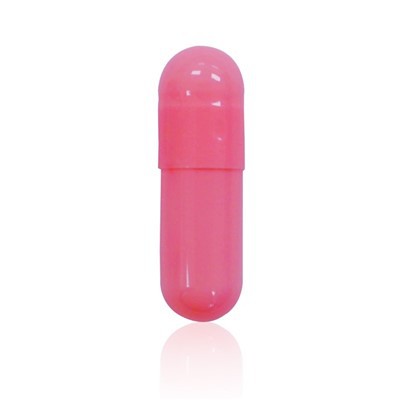
If you’re a brand owner looking to switch to more sustainable capsule packaging, or you just have more questions about pullulan capsules, my team and I are here to talk. We can send over test results, certification docs, and work with you to find the right solution for your product. No pressure, just honest answers about what works and what doesn’t. At the end of the day, sustainability isn’t about perfection—it’s about making better choices where you can, and pullulan capsules are one of those choices.
HPMC Capsules For anyone who wants to dive deeper into the science, here are the sources I reference regularly:
- ASTM International. (2020). Standard Specification for Labeling of Plastics Designed to be Aerobically Composted in Municipal or Industrial Facilities (ASTM D6400).
- Biodegradable Products Institute. (2022). BPI Compostable Certification Requirements for Packaging Materials.
- Chen, Y., et al. (2019). Biodegradation of pullulan-based materials in various environmental conditions. Journal of Applied Polymer Science, 136(22), 47582.
- European Compost Network. (2021). Testing protocols for compostable bioplastics in home and industrial compost.
Hubei Kornnac Pharmaceutical Co., Ltd.
Hubei Kornnac Pharmaceutical Co., Ltd. is one of the most professional pullulan capsules manufacturers and suppliers in China, specialized in providing high quality OEM service. Welcome you to buy bulk customized pullulan capsules at competitive price from our factory. Also, samples are available.
Address: No.439 Hebei Avenue, Chibi, Hubei Province, 437300, China.
E-mail: service@kornnaccaps.com
WebSite: https://www.kornnaccaps.com/
