What’s up, folks! I’m in the formwork supply game, and I’ve been getting tons of questions lately about what formwork is in construction. So, I thought I’d sit down and write this blog to give you the lowdown on it. Formwork
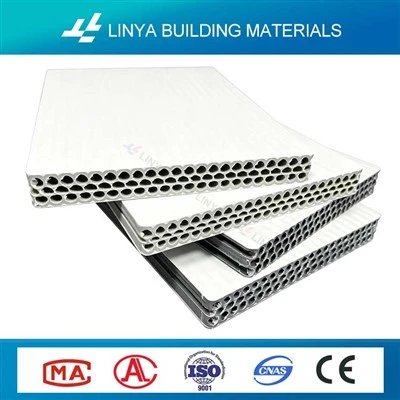
First things first, let’s talk about what formwork actually is. In simple terms, formwork is like a temporary mold that we use in construction to shape and support concrete while it’s in its liquid state until it hardens and gains enough strength to stand on its own. It’s super important because it determines the size, shape, and finish of the concrete structure we’re building.
Imagine you’re building a skyscraper. You need these massive concrete columns and slabs to be just right. That’s where formwork comes in. It holds the concrete in place while it dries, making sure everything is straight, level, and the correct size. Without formwork, the concrete would just go all over the place, and we’d end up with a big, messy blob instead of a functional building.
There are different types of formwork, and each type has its own uses. One of the most common types is timber formwork. It’s pretty affordable and easy to work with. You can cut and shape timber to fit just about any design. It’s great for small – scale projects or when you need a quick solution. For example, if you’re building a small residential garage, timber formwork can be your go – to option.
Another popular type is steel formwork. Steel is strong and durable. It can withstand a lot of pressure from the wet concrete, which makes it perfect for large – scale and high – rise construction projects. Steel formwork can also be reused multiple times, which is a big plus in terms of cost – efficiency. When you’re building a huge office building or a bridge, steel formwork is often the way to go.
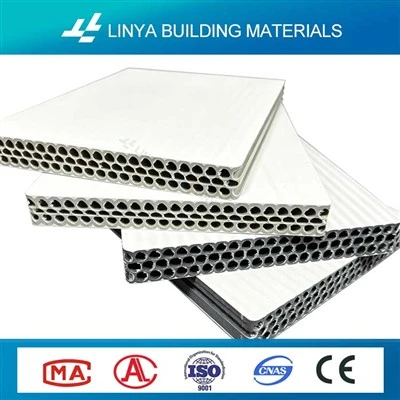
Then there’s plastic formwork. It’s lightweight and easy to handle. Plastic formwork is also resistant to moisture, which means it won’t rot or get damaged easily. It’s suitable for projects where weight is a concern, like some pre – fabricated building elements.
Now, let’s talk about why it’s so important to choose the right formwork. Using the wrong type can lead to all sorts of problems. If the formwork isn’t strong enough to hold the weight of the concrete, it can collapse, which is not only dangerous for the workers but also costly as you’ll have to redo the whole thing. And if the formwork doesn’t fit properly, the concrete structure might end up with uneven surfaces or the wrong dimensions.
When it comes to installing formwork, it’s not as simple as just putting up a mold. There are a lot of factors to consider. First, you’ve got to make sure the formwork is properly supported. We use a variety of supports like props, struts, and bracing to keep everything stable. The surface of the formwork also needs to be smooth. A rough surface can leave marks on the concrete, which might affect its appearance and sometimes even its structural integrity.
We also pay close attention to the joints in the formwork. If the joints aren’t sealed properly, the wet concrete can leak out. This not only makes a mess but can also cause weak spots in the concrete. So, we use all kinds of techniques to seal the joints, like using tape or special gasket materials.
As a formwork supplier, I’ve seen firsthand how important quality formwork is. I’ve worked on all sorts of projects, from little backyard patios to huge commercial complexes. And I can tell you, using top – notch formwork makes a world of difference.
When you’re in the market for formwork, you want to make sure you’re getting high – quality products. High – quality formwork lasts longer, which means you can reuse it more times. It also gives you a better finish on your concrete structures. You don’t want to be dealing with a formwork that’s falling apart after a few uses or leaving your concrete looking rough.
One of the things I love about being a formwork supplier is that I get to work with different contractors and construction teams. I get to learn about all the different needs and challenges they face on their projects. And I’m always trying to find the best formwork solutions for them. Whether it’s a custom – designed formwork for a unique building or just providing the right type of standard formwork for a typical project, I’m here to help.
Another aspect of formwork that I often get asked about is its environmental impact. In today’s world, sustainability is a big deal. That’s why we’re constantly looking for ways to make our formwork more eco – friendly. For example, using recycled materials in the production of formwork is becoming more popular. And as I mentioned earlier, formwork that can be reused multiple times helps reduce waste.
When it comes to the cost of formwork, it can vary widely depending on the type, size, and complexity of the project. Timber formwork is generally the cheapest option, but it might not last as long as steel or plastic. Steel formwork is more expensive upfront, but its durability and reusability can save you money in the long run. Plastic formwork also has its own cost – benefit analysis. It’s important to work with a supplier who can help you figure out the most cost – effective solution for your specific project.
So, if you’re a contractor, architect, or anyone involved in construction and you’re looking for formwork, don’t just go for the cheapest option. Think about the long – term benefits of using high – quality formwork. And if you have any questions or need some advice on what type of formwork is best for your project, I’m here to help.
I’m passionate about providing the best formwork products and services out there. I’ve got a wide range of formwork options that can meet the needs of any construction project. Whether you’re building a small home or a large industrial facility, I’ve got you covered.
If you’re interested in learning more about our formwork products or getting a quote for your project, feel free to reach out. We can have a chat about your requirements, and I can show you how our formwork can make your construction project a success. Let’s work together to build amazing structures with the right formwork!
Plastic Formwork References
- Construction Industry Institute. (Year). Formwork Best Practices Guide.
- National Ready Mixed Concrete Association. (Year). Handbook on Concrete Formwork.
- American Concrete Institute. (Year). ACI 347 – Guide to Formwork for Concrete.
Shenzhen Linya Building Materials Co., Ltd.
We are one of the most professional formwork manufacturers and suppliers in China, also support customized service. Welcome to buy bulk high quality formwork in stock here from our factory. If you have any enquiry about free sample, please feel free to email us.
Address: Bantian International Center, No.5 Huancheng South Road, Ma’antang Community, Bantian Street, Longgang District, Shenzhen
E-mail: linya@formworksteelprop.com
WebSite: https://www.linyabuildingmaterials.com/
