Hey there! I’m in the business of supplying alcohols, and as you can imagine, I’ve gotta know a thing or two about how alcohol works in the body. It’s not just about pouring drinks and making sales; understanding the science behind alcohol metabolism is super interesting and can also help folks make informed choices when it comes to the boozy stuff. So, let’s dive into how alcohol gets broken down and processed inside us. Alcohols

First off, when you take that first sip of your favorite drink—be it a cold beer, a smooth glass of wine, or a strong cocktail—the adventure begins. Alcohol, which in our context is usually ethanol, starts making its way through your body right away. It doesn’t need to be digested like a big meal. Think about it like this: while your food is sitting in your stomach, getting all broken down by digestive enzymes, alcohol can just slip through the lining of your stomach and small intestine and into your bloodstream. And that’s why you can start feeling the effects of alcohol pretty quickly.
Now, the speed at which alcohol gets absorbed into your bloodstream can vary. There are a bunch of factors that play a role. For example, if you’ve had a big meal before you start drinking, the food in your stomach can slow down the absorption of alcohol. It’s like a traffic jam in your stomach. The alcohol has to wait its turn to get through the lining and into the blood. On the other hand, if you’re drinking on an empty stomach, the alcohol can zoom right in, and you’ll feel the effects faster.
Another thing that affects absorption is the type of drink. Drinks with a higher alcohol content, like hard liquor, can be absorbed more quickly than lower – alcohol drinks like beer. But it’s not just about the percentage of alcohol. Carbonated drinks can also speed up absorption. The bubbles in a fizzy cocktail or a champagne can make the alcohol move through your stomach and into your bloodstream faster. Crazy, right?
Once alcohol is in your bloodstream, it’s carried all over your body. It reaches your brain, which is why you start feeling the buzz. Alcohol affects your brain by interacting with neurotransmitters, the chemicals that help your brain cells communicate. It can make you feel more relaxed and less inhibited, but too much of it can also mess with your coordination, memory, and judgment.
But your body doesn’t just let the alcohol run wild. It has a built – in system to get rid of it, and that’s where metabolism comes in. The main organ responsible for metabolizing alcohol is the liver. The liver has two important enzymes that do most of the work: alcohol dehydrogenase (ADH) and aldehyde dehydrogenase (ALDH).
When alcohol reaches the liver, ADH kicks in first. It breaks down ethanol into acetaldehyde. Now, acetaldehyde is a pretty nasty substance. It’s actually a carcinogen, which means it can cause cancer. But luckily, your body has a way to deal with it. That’s where ALDH comes in. ALDH takes the acetaldehyde and breaks it down further into acetate. Acetate is a much less harmful substance, and it can be easily broken down into water and carbon dioxide, which your body can then get rid of through breathing, sweating, and peeing.
But here’s the thing: the liver can only metabolize alcohol at a certain rate. On average, the liver can process about one standard drink per hour. A standard drink is usually defined as 14 grams of pure alcohol, which is about the amount in a 12 – ounce beer, a 5 – ounce glass of wine, or a 1.5 – ounce shot of hard liquor. So, if you’re pounding back drinks faster than your liver can break them down, the alcohol starts to build up in your bloodstream, and that’s when you start getting drunker and drunker.
The rate of alcohol metabolism can vary from person to person. Some people have genes that make them produce more ADH or ALDH, which means they can break down alcohol more quickly. These folks might be able to handle their drinks better and not get as drunk as easily. On the other hand, some people have genetic variations that make their enzymes work less efficiently. For example, some people of Asian descent have a genetic mutation that affects ALDH. When they drink alcohol, the acetaldehyde builds up in their bodies, causing them to turn red, feel nauseous, and have a rapid heartbeat. It’s a classic case of what’s known as "Asian flush."
Other factors can also affect how fast your body metabolizes alcohol. Age is one of them. As you get older, your liver function starts to decline, and your body may not be able to break down alcohol as quickly as it used to. Gender is another factor. Women generally have less water in their bodies than men, and alcohol is water – soluble. So, the same amount of alcohol will be more concentrated in a woman’s bloodstream, and they may feel the effects more strongly. Also, women tend to have less ADH in their stomachs, which means more alcohol gets into their bloodstream before it even reaches the liver.
Now, you might be wondering, what happens if you drink way too much alcohol? Well, excessive drinking can really take a toll on your body. In the short term, it can lead to alcohol poisoning, which is a serious and potentially life – threatening condition. Symptoms of alcohol poisoning include confusion, vomiting, seizures, slow breathing, and even passing out. If you or someone you know shows signs of alcohol poisoning, it’s important to get medical help right away.
In the long term, heavy drinking can cause all sorts of health problems. It can damage your liver, leading to conditions like fatty liver, alcoholic hepatitis, and cirrhosis. It can also increase your risk of heart disease, high blood pressure, and certain types of cancer. And let’s not forget about the impact on your mental health. Alcohol abuse can lead to depression, anxiety, and other mental health issues.
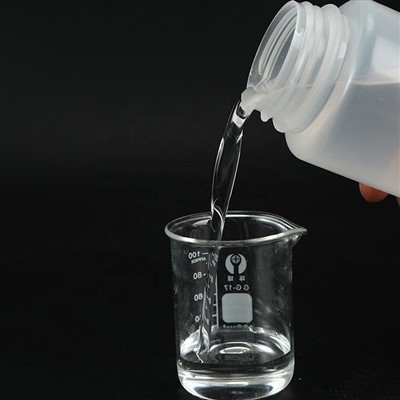
But hey, it’s not all doom and gloom. Moderate drinking can be part of a healthy lifestyle for some people. The key is to know your limits and drink responsibly. And of course, if you’re in the market for high – quality alcohols, we’ve got you covered. Whether you’re looking for fine wines, craft beers, or premium spirits, we’ve got a wide selection to choose from. Our team is always ready to help you find the perfect drink for whatever occasion you’re celebrating. So, if you’re interested in working with us to get the best alcohols for your business or personal stash, don’t hesitate to reach out for a chat and let’s start a great business relationship!
Thickener References
- National Institute on Alcohol Abuse and Alcoholism. "Alcohol’s Effects on the Body."
- Mayoclinic. "Alcohol Use: Weighing Risks and Benefits."
- World Health Organization. "Global Status Report on Alcohol and Health."
Sinoright International Trade Co., Ltd.
We’re well-known as one of the leading alcohols manufacturers and suppliers in China, featured by quality products and good price. With abundant experience, we warmly welcome you to buy bulk alcohols for sale here from our factory.
Address: NO.13-1 HESHUOYUAN, GANJINGZI DIST, DALIAN,CHINA
E-mail: harry.du@sinoright.net
WebSite: https://www.sinoright-chemicals.com/
